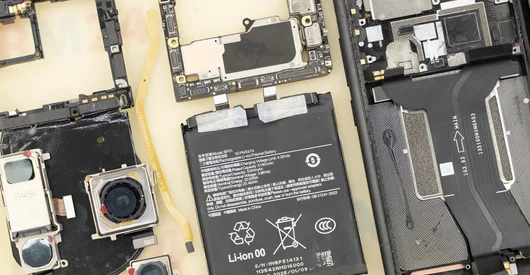
Tech review of Xiaomi POCO X7 5G
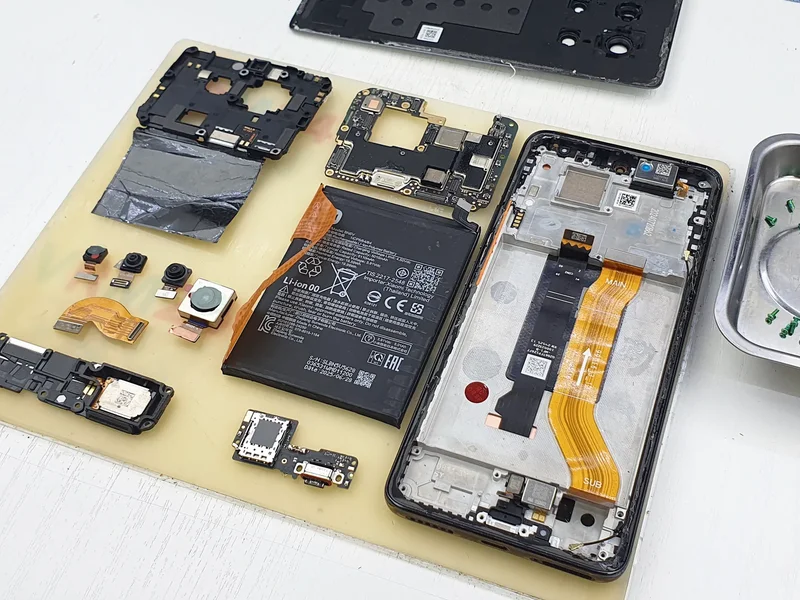
Device tools
VRM24 🤖 AI Review: Xiaomi Xiaomi POCO X7 5G
The Xiaomi POCO X7 5G arrives in early 2025 as a textbook example of the "flagship-killer-adjacent" mid-ranger: a phone that borrows the display and battery formula of Xiaomi's own Redmi Note line, wraps it in a slightly more performance-flavoured package, and aims squarely at buyers who want a large, bright AMOLED screen and 5G without paying flagship money. Announced in January 2025, it slots into a crowded field where almost every manufacturer now offers a 6.67-inch AMOLED device with a 5,000 mAh-plus battery. What the POCO X7 5G brings to that table is a MediaTek Dimensity 7300 Ultra chipset, a 1220 x 2712 resolution panel protected by Gorilla Glass Victus 2, and a 5,110 mAh cell — a combination that reads as a solid, if not revolutionary, proposition for the 2025 mid-range.
Design & Display
At 162.3 x 74.4 x 8.4 mm and 185.5 g, the POCO X7 5G sits in the standard "big phone" bracket. It is neither remarkably light nor unusually heavy for a 6.67-inch device, and the 8.4 mm thickness suggests a fairly conventional slab build rather than a thin-and-light design. Buyers should expect a phone that fills the hand and benefits from two-handed use, especially given the tall 20:9 aspect ratio. The absence of a headphone jack is worth flagging early: this is increasingly normal in 2025, but it does mean wired audio requires a dongle or USB-C headphones.
The display is arguably the headline feature. A 6.67-inch AMOLED at 1220 x 2712 pixels works out to roughly 446 ppi, which is sharp enough that text and fine UI elements should look crisp at normal viewing distances. AMOLED brings the usual benefits — deep blacks, high contrast, and typically good outdoor visibility — though the specifications do not state a peak brightness figure, so claims about sunlight legibility should be treated as expectations rather than verified numbers. The inclusion of Corning Gorilla Glass Victus 2 is a genuinely notable point at this tier: it is a tougher glass than the Victus 1 or older Gorilla Glass generations found on many mid-rangers, and it gives the phone a durability edge over siblings like the Redmi Note 13 4G, which uses a more basic AMOLED panel without that level of protection.
Performance & Storage
The Dimensity 7300 Ultra is a mid-range chipset with an octa-core CPU built from four Cortex-A78 cores at up to 2.5 GHz and four Cortex-A55 efficiency cores at 2.0 GHz, paired with a Mali-G615 MC2 GPU. In class terms, this is a capable mid-tier part — not a flagship, but a clear step above entry-level silicon such as the Unisoc T603 in the Redmi A3x or the Snapdragon 685 in the Redmi Note 13 4G. For everyday tasks — messaging, browsing, streaming, navigation, social media — the combination of modern A78 cores and 8 GB or 12 GB of RAM should feel responsive. Gaming is where expectations need calibrating: the Mali-G615 MC2 is a modest two-core GPU, so demanding 3D titles will likely require reduced settings, while casual and mid-weight games should run comfortably.
It is worth noting that the POCO X7 5G shares its exact chipset, CPU and GPU configuration with the Redmi Note 14 Pro, which makes the two devices close cousins under the skin. The more expensive Xiaomi 14T, by contrast, uses a Dimensity 8300 Ultra with newer Cortex-A715 cores and a six-core Mali G615-MC6, a meaningfully faster class of chip. Storage options of 128 GB, 256 GB or 512 GB are generous for the segment, but there is no card slot, so buyers should choose capacity carefully at purchase — a 128 GB model leaves little headroom for heavy photo and video users.
Cameras
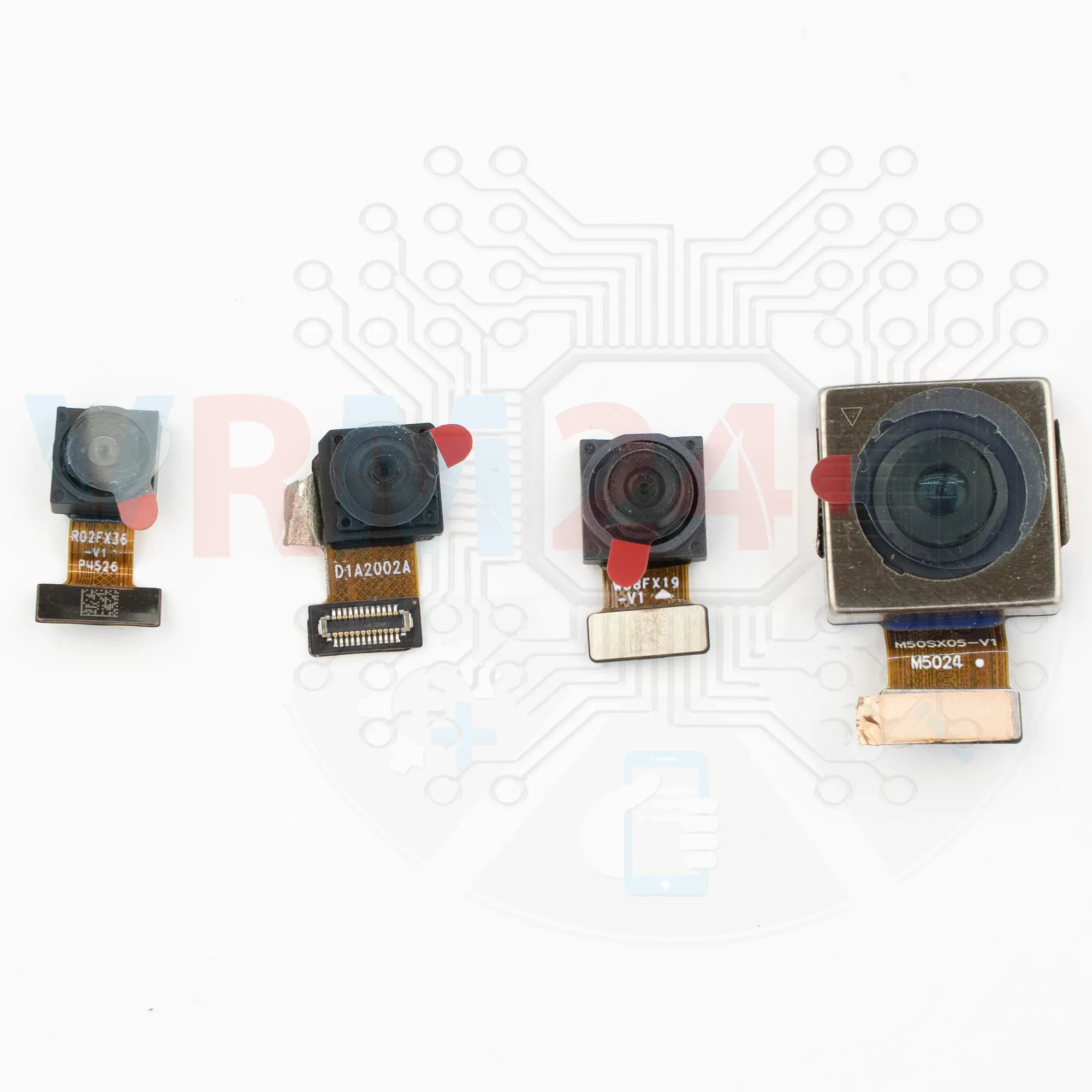
The rear setup is a 50 MP main sensor backed by an 8 MP secondary camera and a 2 MP third sensor, with video capture capped at 2160p at 30 fps. In practice, the 50 MP main camera is the one that matters; the 8 MP and 2 MP modules are best understood as supporting ultrawide and depth/macro duties rather than equal partners. The 4K/30 fps ceiling is respectable for the class, though it signals that this is not a video-first device. The 20 MP front camera with 1080p at 60 fps is a sensible choice for selfies and video calls, and the higher frame rate at 1080p is useful for smoother front-facing video.
Compared with its closest sibling, the Redmi Note 14 Pro's 200 MP main sensor, the POCO's 50 MP unit looks conservative on paper — but pixel count alone is a poor guide to image quality, and the specifications here do not allow any judgement about actual photo output. What can be said is that the hardware is conventional mid-range fare: expect good daylight results and more limited low-light performance, without verified measurements to confirm either way.
Battery & Charging
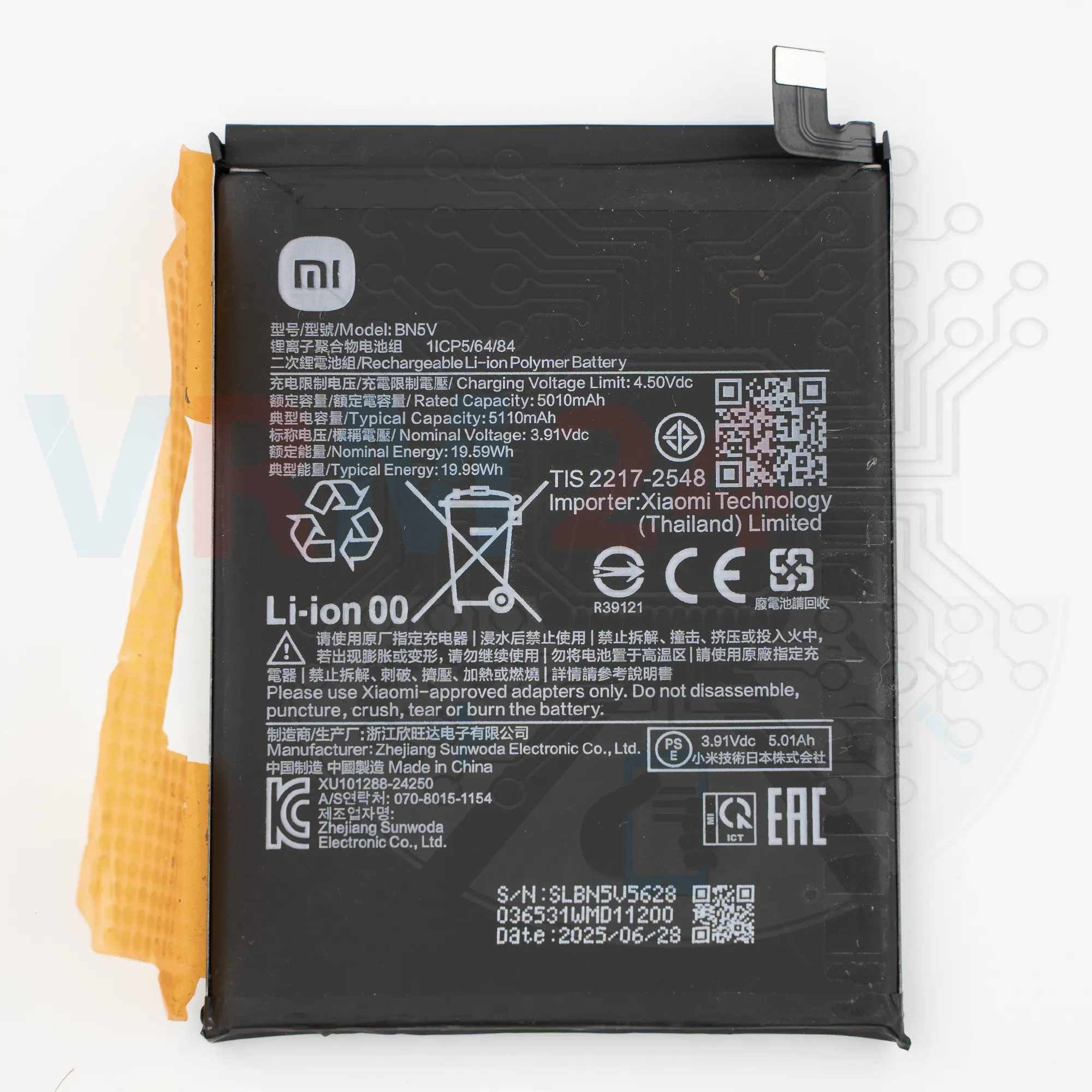
The 5,110 mAh Li-Ion battery is slightly larger than the 5,000 mAh cells common in this segment, including the Xiaomi 14T and Redmi Note 13 4G, and essentially identical to the Redmi Note 14 Pro. Combined with a mid-range chipset and an AMOLED panel, that capacity points to comfortable all-day endurance for typical users, though actual runtime will depend heavily on screen brightness and usage patterns. The specifications list a USB Type-C 2.0 port but do not state charging wattage, so buyers should not assume any particular fast-charging speed until it is confirmed. The battery is a replaceable model (BN5V), which is useful for long-term repair, but as with most modern phones, replacement will require professional service rather than a user-swappable design.
Connectivity & Practical Ownership
Connectivity is a strong point. The POCO X7 5G supports 5G across a broad set of bands including n1, n3, n7, n20, n28, n77 and n78, which covers most European and Asian networks, and it offers dual SIM plus eSIM support — a flexibility that many mid-rangers still lack. Wi-Fi 6, Bluetooth 5.4 with LHDC audio, and full multi-constellation navigation (GPS, GLONASS, BDS, Galileo, QZSS) round out a modern, well-specified package. The dual speakers are a welcome inclusion for media consumption. On the software side, the phone ships with Android 14 and HyperOS; the specifications do not state an update commitment, so longevity should be treated as unknown rather than assumed. Repair-wise, the glass front, sealed battery and lack of a card slot mean the main serviceable items are the display and battery, both best handled by authorised service centres.
Verdict
👍 Pros:
- Sharp 6.67-inch AMOLED with Gorilla Glass Victus 2 protection
- Capable Dimensity 7300 Ultra with 8 GB or 12 GB RAM and up to 512 GB storage
- Broad 5G band support with dual SIM plus eSIM and Wi-Fi 6
- 5,110 mAh battery and dual speakers for solid everyday media use
👎 Cons:
- No headphone jack and no microSD expansion
- Secondary cameras (8 MP + 2 MP) are modest; video capped at 4K/30
- Charging speed and software update policy not specified, limiting long-term assurance
The POCO X7 5G is a well-rounded 2025 mid-ranger whose strengths — display quality, glass protection, connectivity and battery capacity — outweigh its conventional camera hardware. It is a sensible pick for buyers who prioritise screen, durability and 5G flexibility over photographic ambition.
Disclaimer ⚠️ This review is based on technical specifications and market positioning as of the device's announcement. Real-world performance and user experience may vary.
This text is for informational purposes only. For tech advice or diagnosis, consult a professional. AI responses may include mistakes.
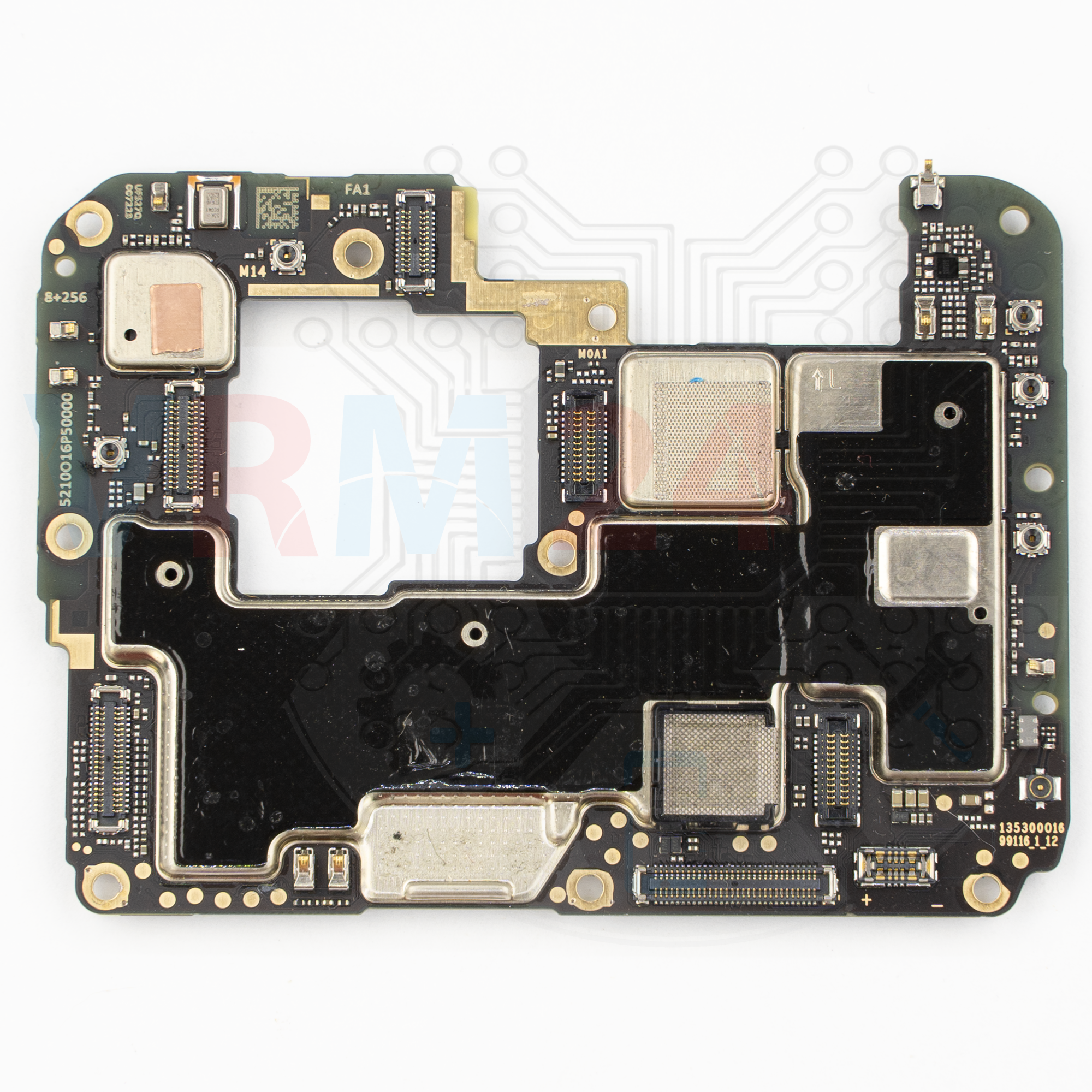
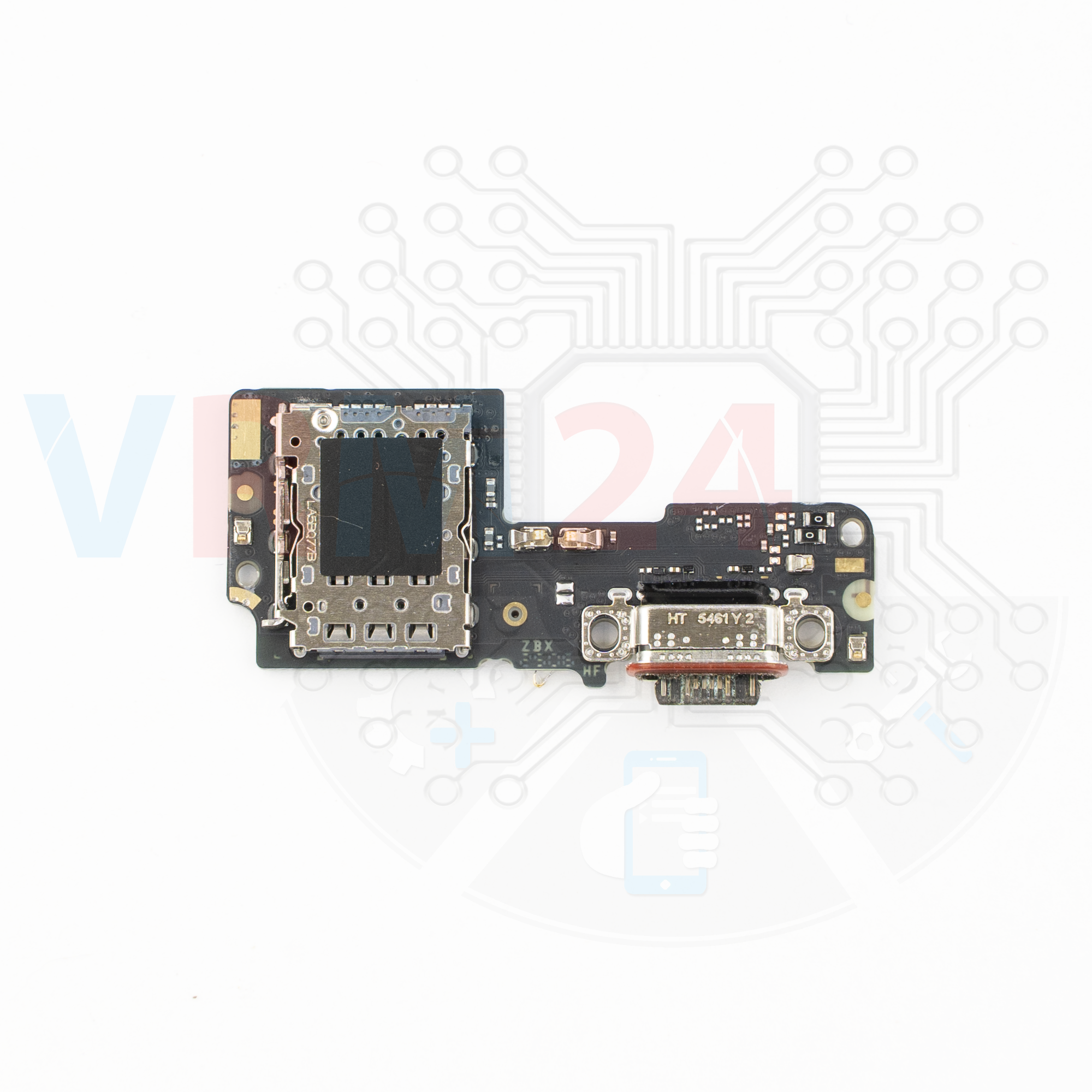
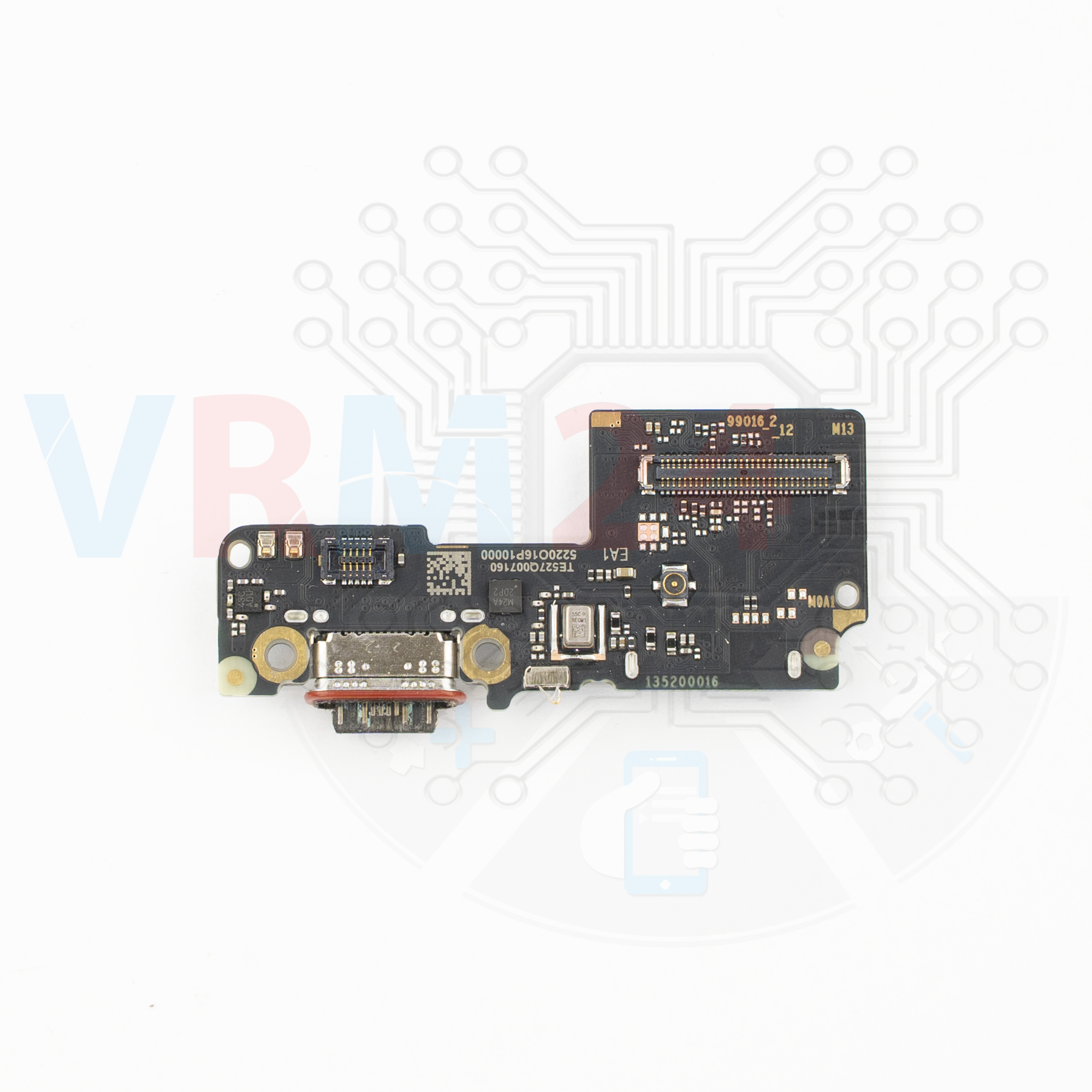
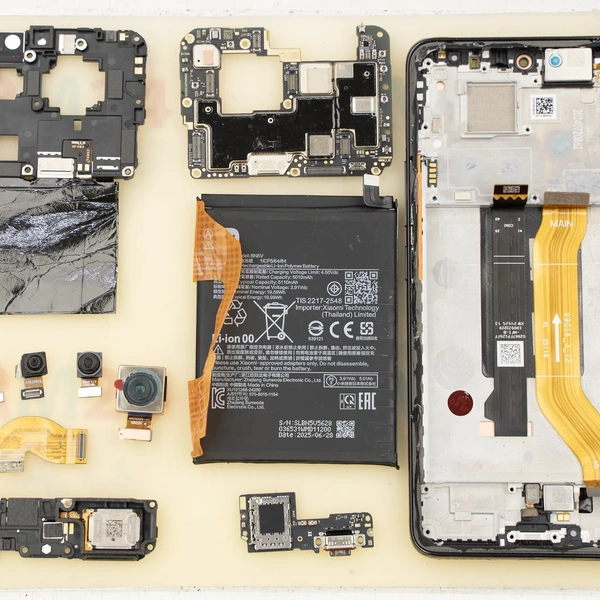
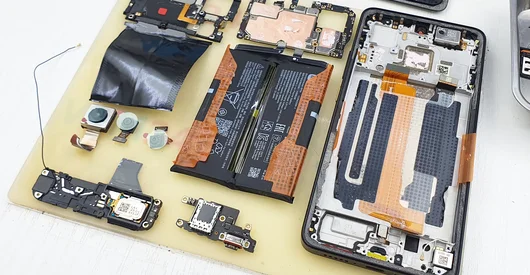
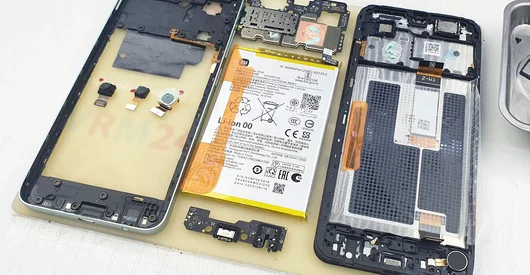
Main and additional circuit boards
Xiaomi POCO X7 5G
Side 1
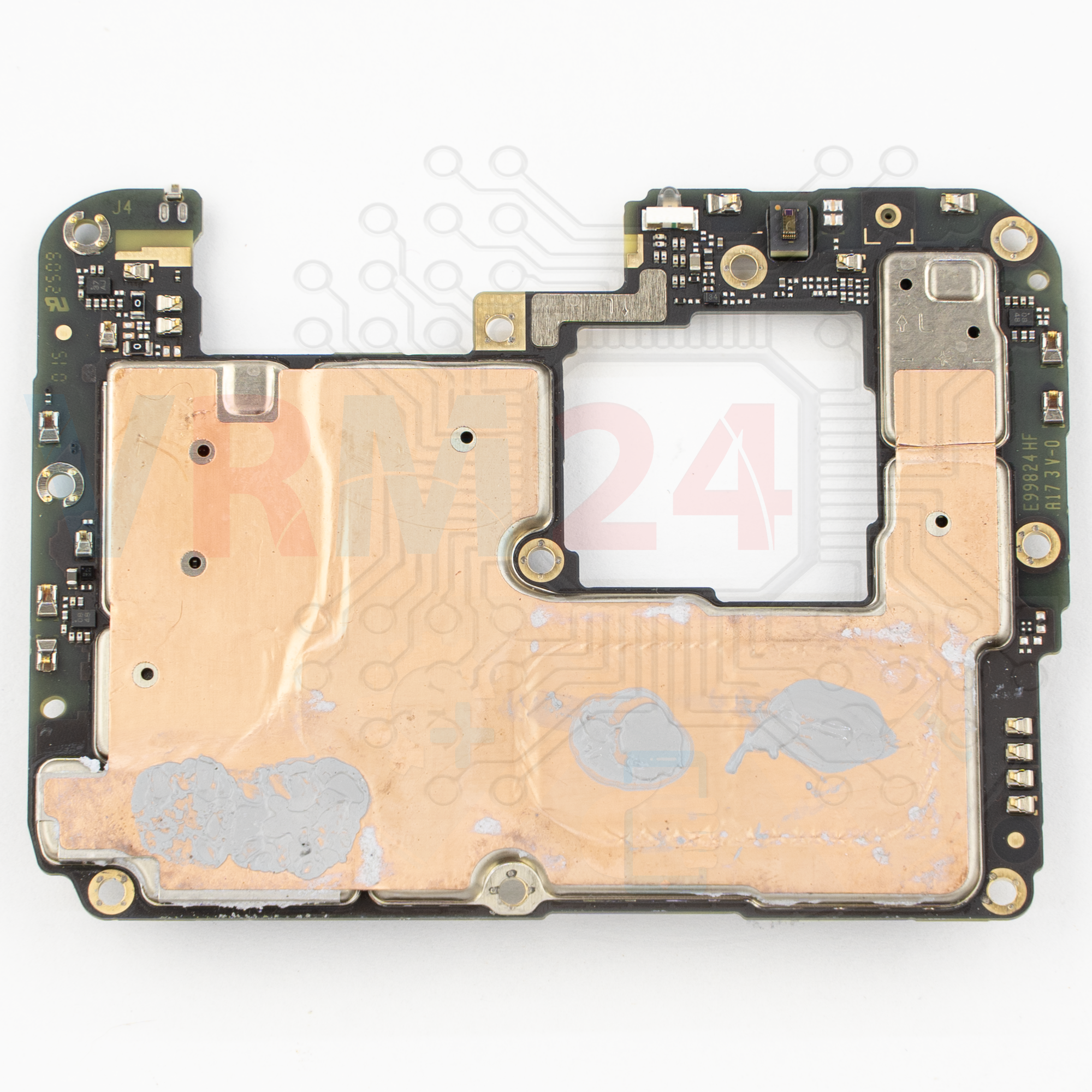
Side 2
Spare parts
and components
Battery
Loading...
Cameras
Loading...
Card tray
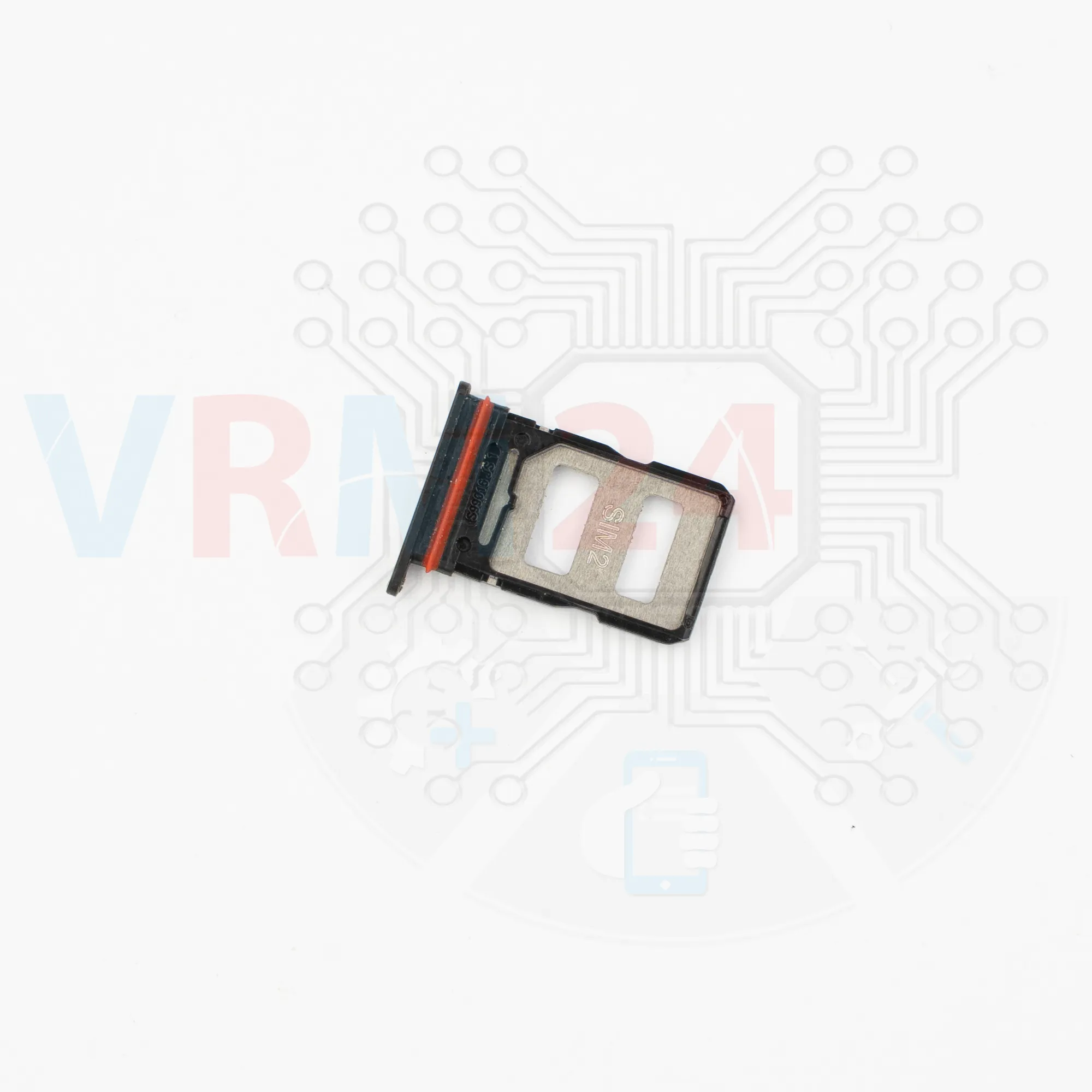
Loading...
Charging port
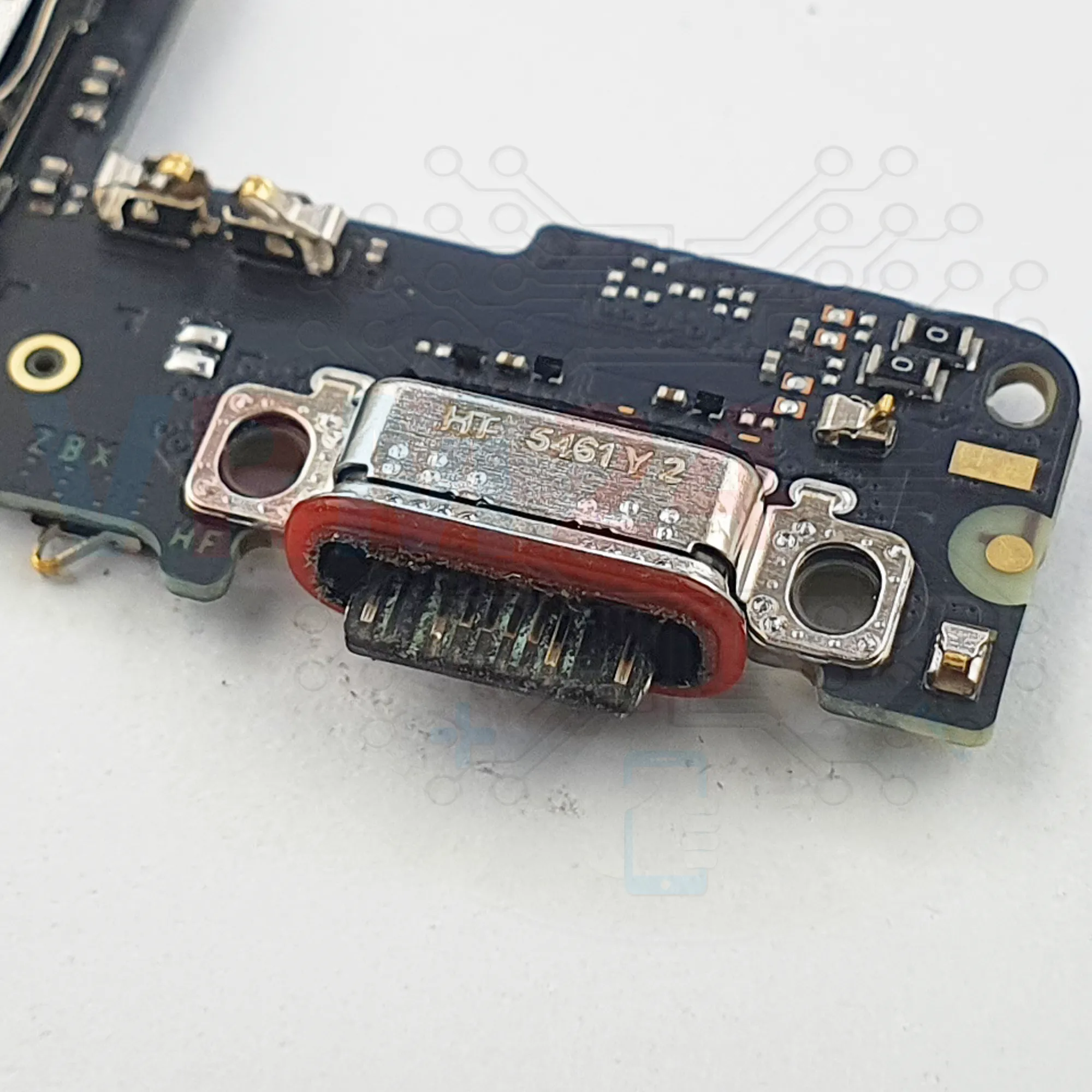
Loading...
Cover
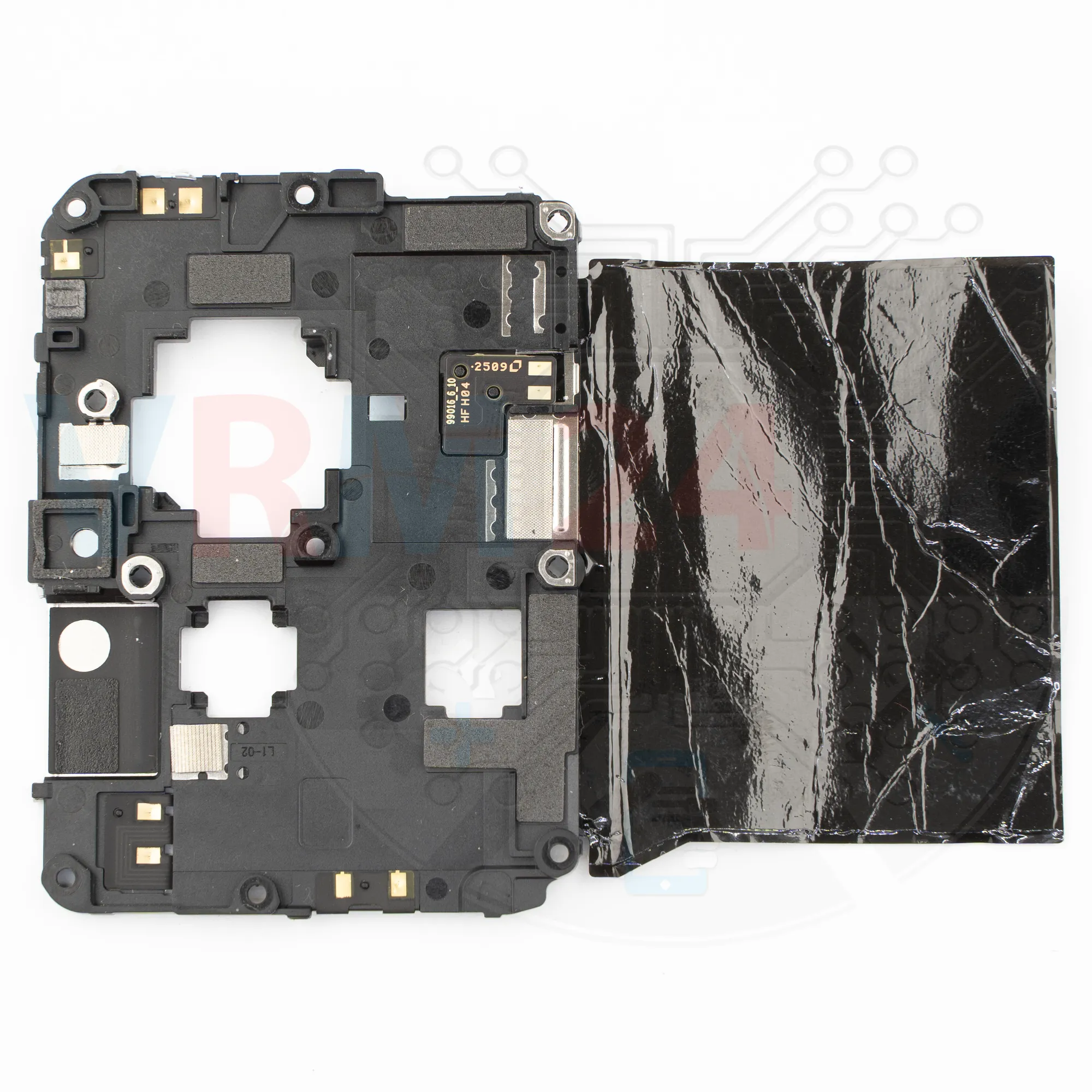
Loading...
Earpiece speaker
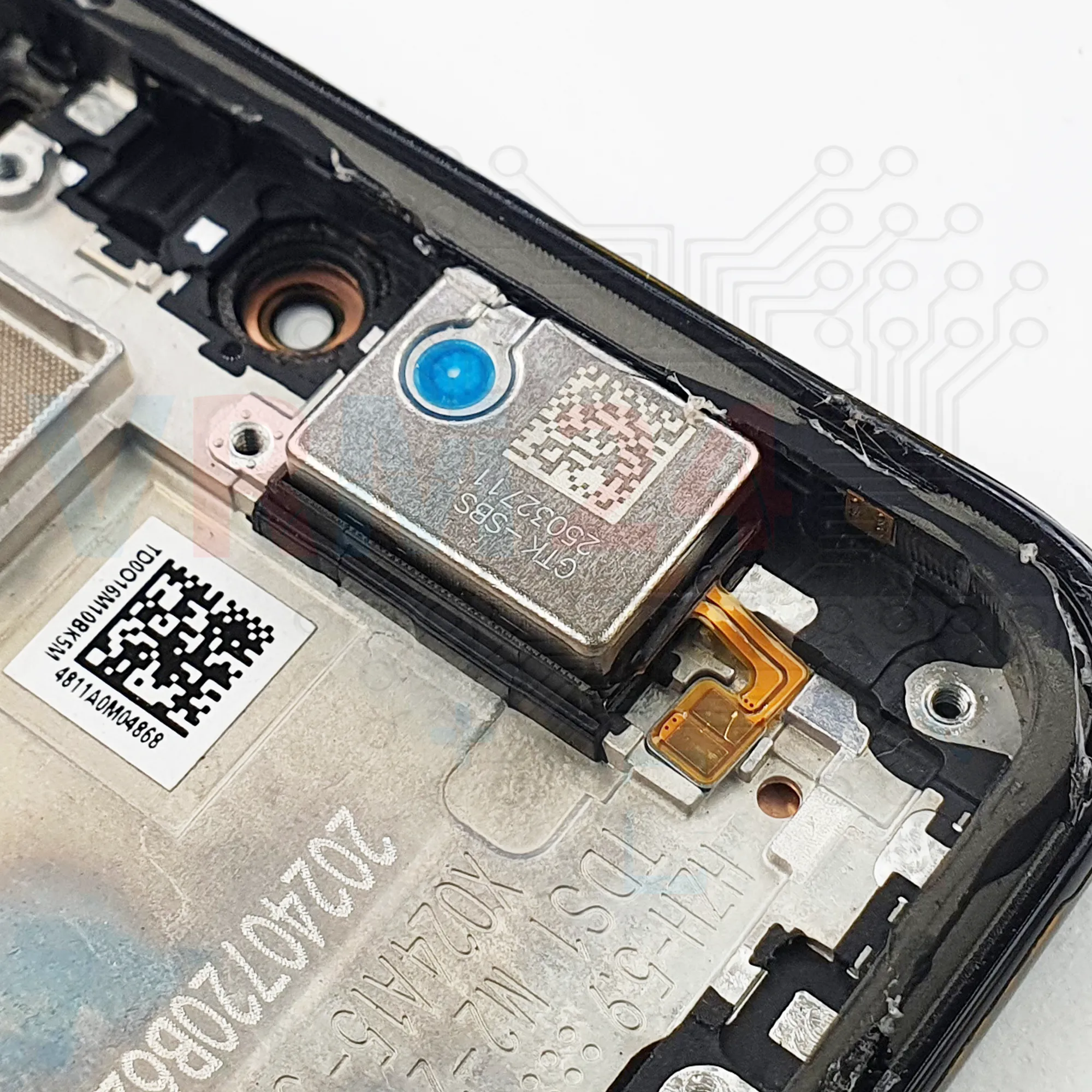
Loading...
Fingerprint sensor
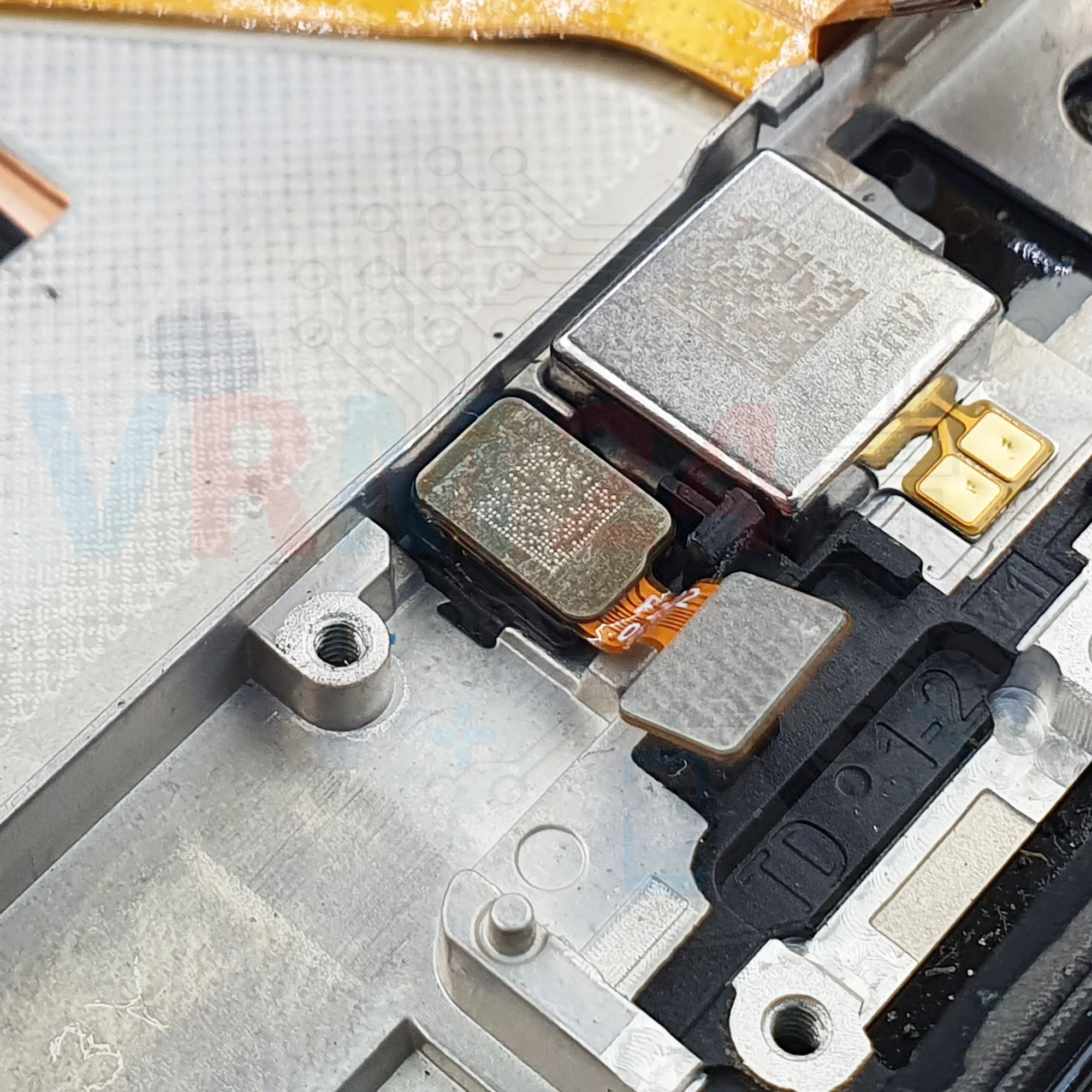
Loading...
Cable
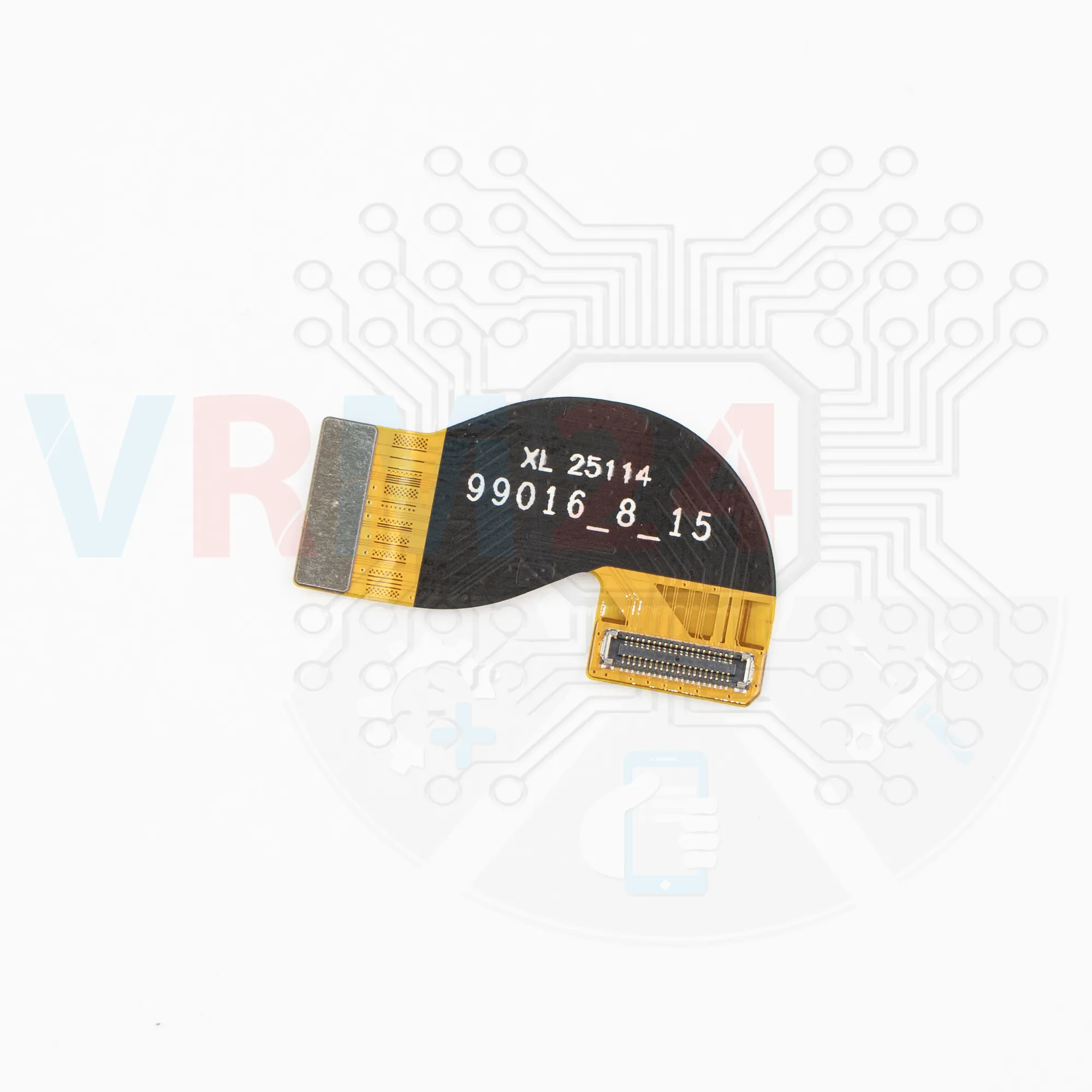
Loading...
Loudspeaker
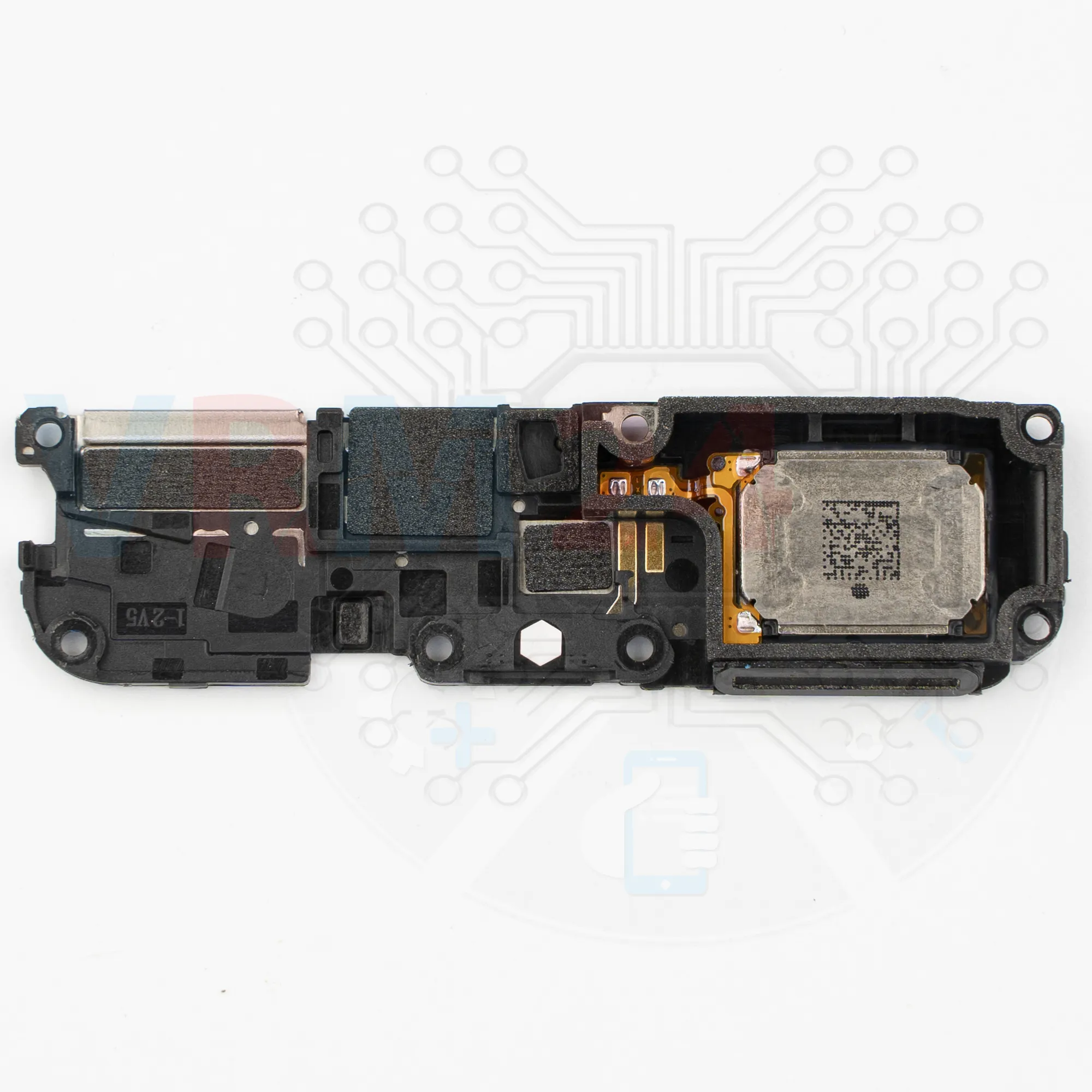
Loading...
Microphone
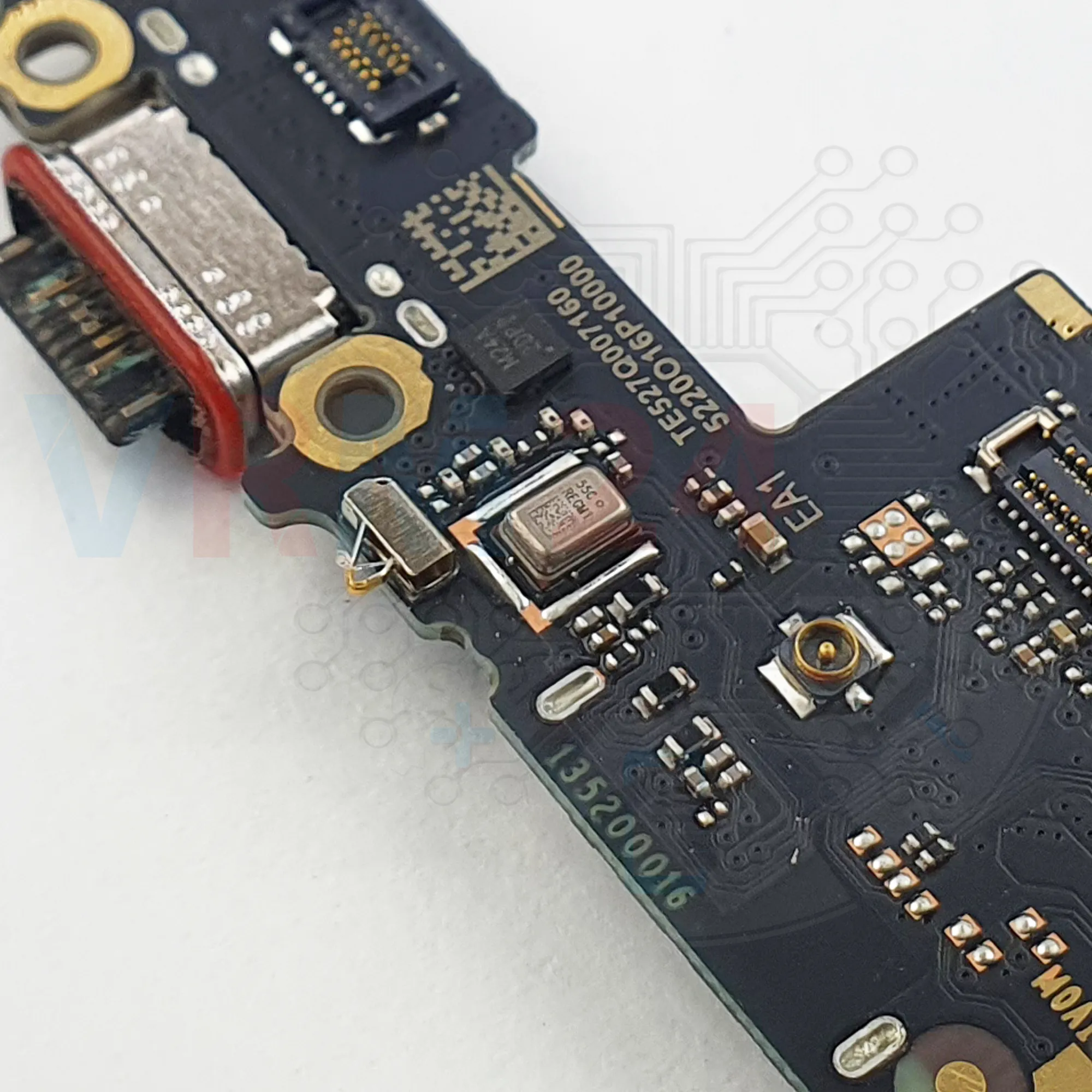
Loading...
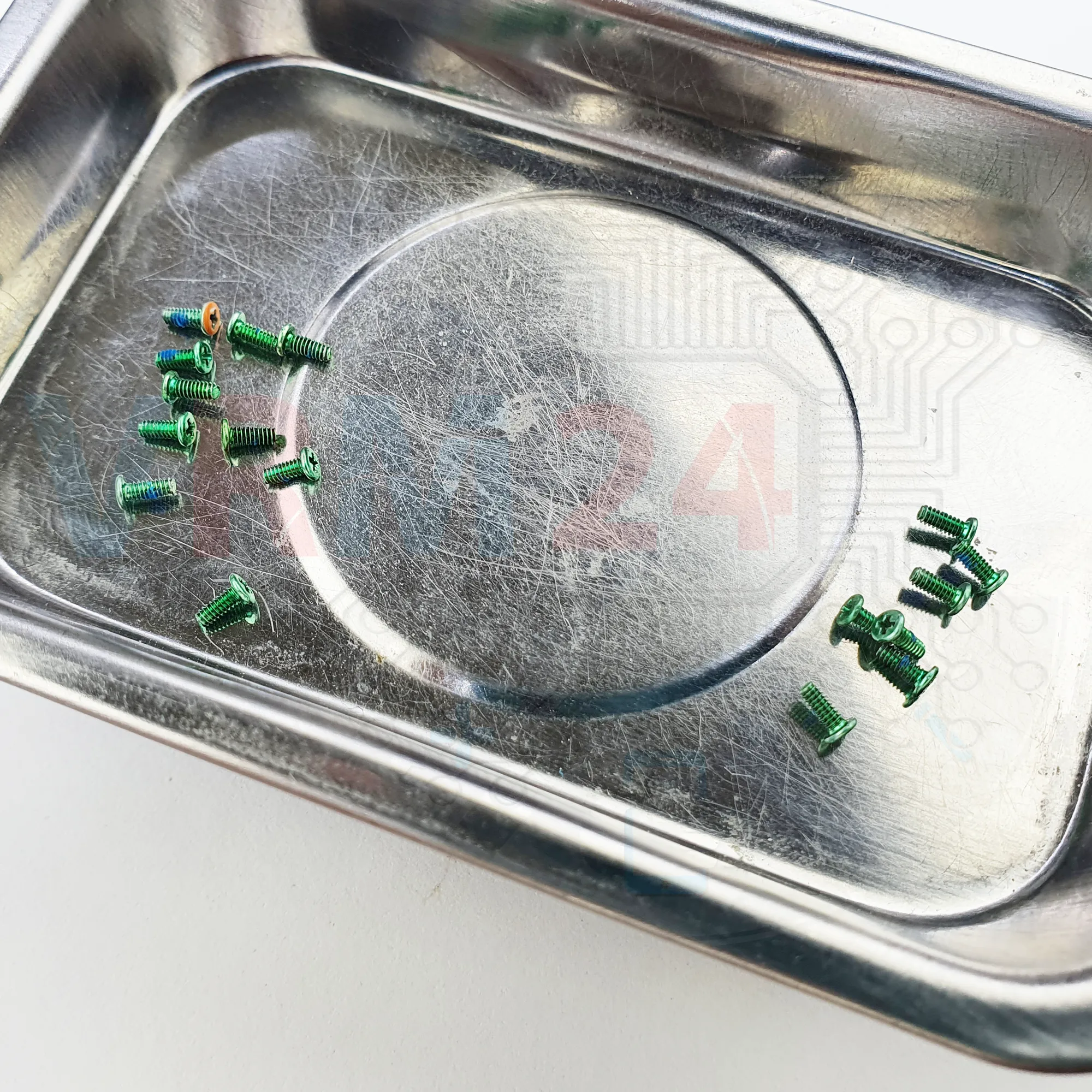
Screws
Loading...
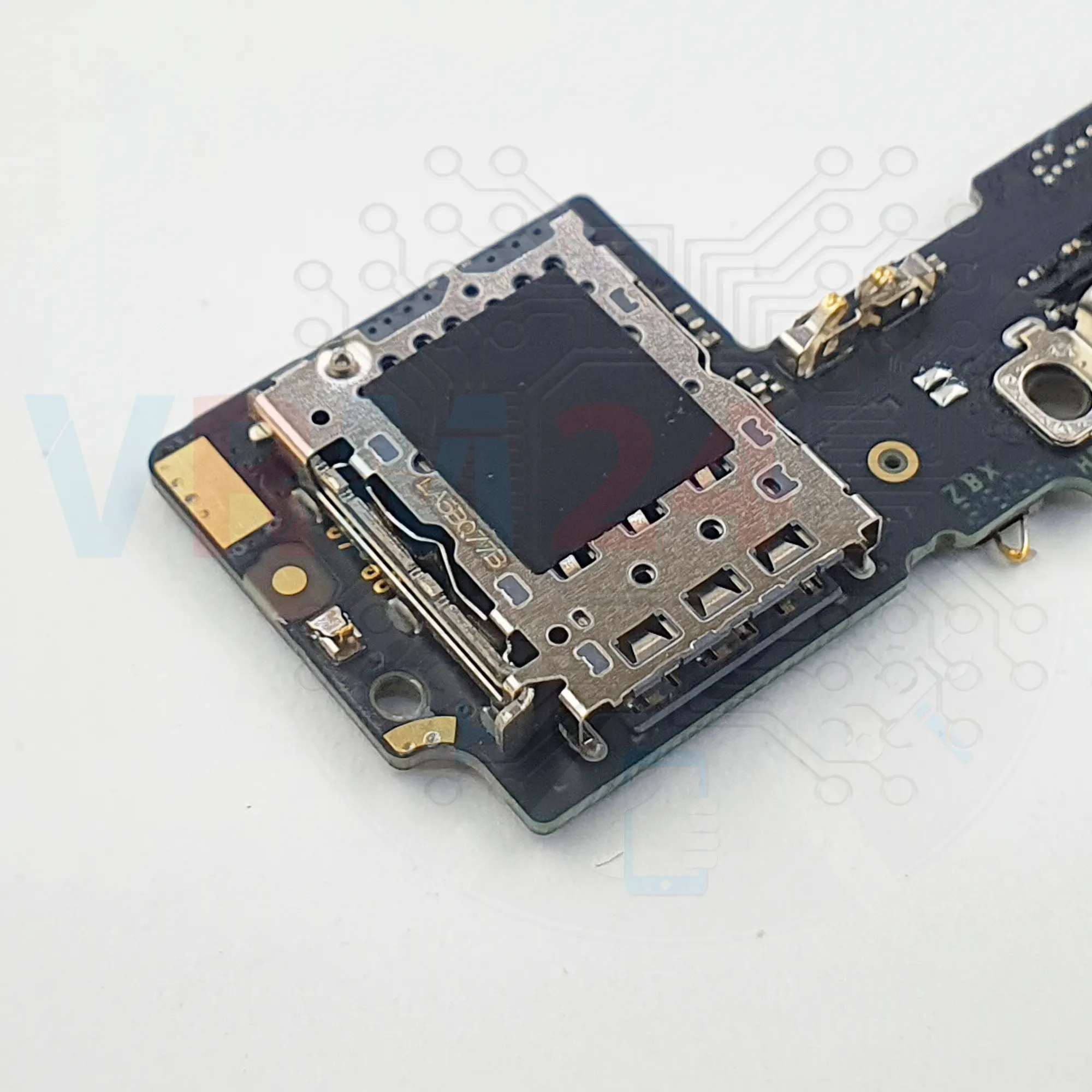
Sim connector
Loading...
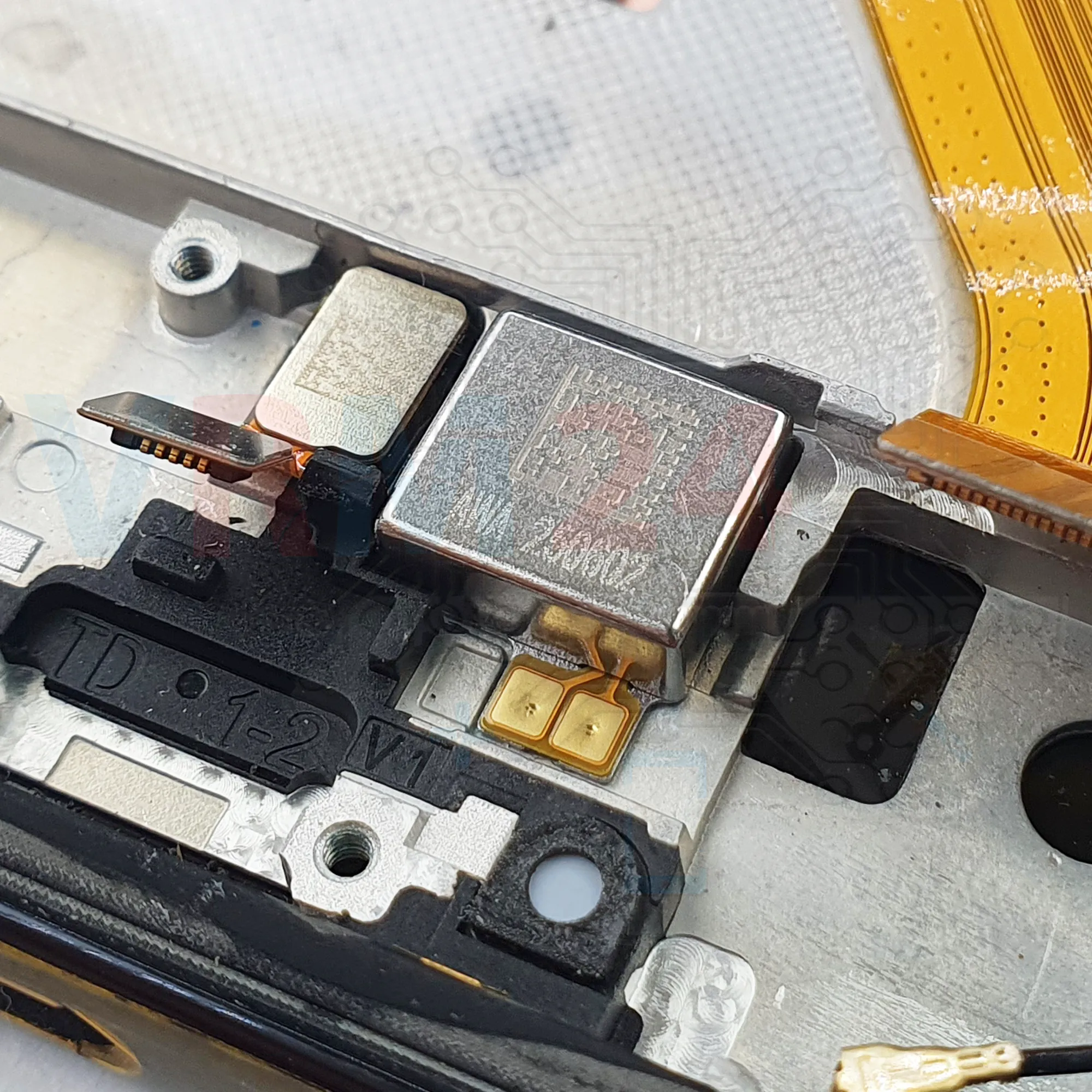
Vibration motor
Loading...
Characteristics
and Features
Features
Type
Smartphone
OS
Android 14, HyperOS
SIM type/size
Nano SIM and eSIM
SIM
Dual SIM + eSIM
Dimensions
162.3 x 74.4 x 8.4 mm (6.39 x 2.93 x 0.33 inches)
Weight
185.5 g (6.70 oz)
Display
Display type
AMOLED
Size
6.67 inches
Resolution
1220 x 2712 pixels, 20:9 ratio
PPI density
446
Protection
Corning Gorilla Glass Victus 2
Multimedia
Main camera
50 MP / 8 MP / 2 MP
Main camera Video
2160p, 30fps
Front (selfie) camera
20 MP
Front (selfie) camera Video
1080p, 60fps
Audio
Yes, with dual speakers
Headphone jack
No
Network
Technology
GSM / HSPA / LTE / 5G
Bands
Yes, 5G bands 1, 2, 3, 5, 7, 8, 20, 28, 38, 40, 41, 66, 77, 78 SA/NSA/Sub6
Interfaces
Wi-Fi 802.11 a/b/g/n/ac/6, dual-band, Wi-Fi Direct, Bluetooth 5.4, A2DP, LE, LHDC
Satellite navigation
Yes, GPS, GLONASS, BDS, GALILEO, QZSS
Processor and Memory
System on a chip
Mediatek Dimensity 7300 Ultra
CPU
Octa Core 4x Cortex-A78 2.5 GHz & 4x Cortex-A55 2.0 GHz
GPU
Mali-G615 MC2
Internal memory
128 GB or 256 GB or 512 GB
RAM
8 GB or 12 GB
Card slot
No
Battery
Battery capacity
Li-Ion 5110 mAh
Charging port
USB Type-C 2.0
Battery model
BN5V
Models with the same battery
Other
Announced
2025, January
If you have a question, ask us, and we will try to answer in as much detail as possible. If this article was helpful for you, please rate it.

77
Views
0
Likes
—
Share
0
Questions
Related Instructions
Related Reviews
Related Blog

Top reviews
Check our
Top Xiaomi reviews most liked by readers
New reviews
Check our
New Xiaomi device reviews on vrm24.com