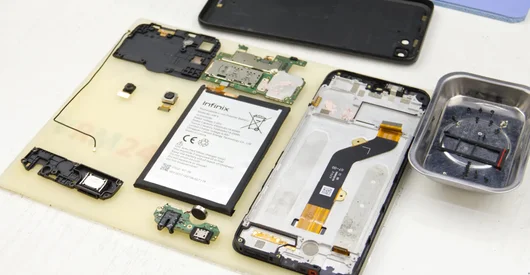
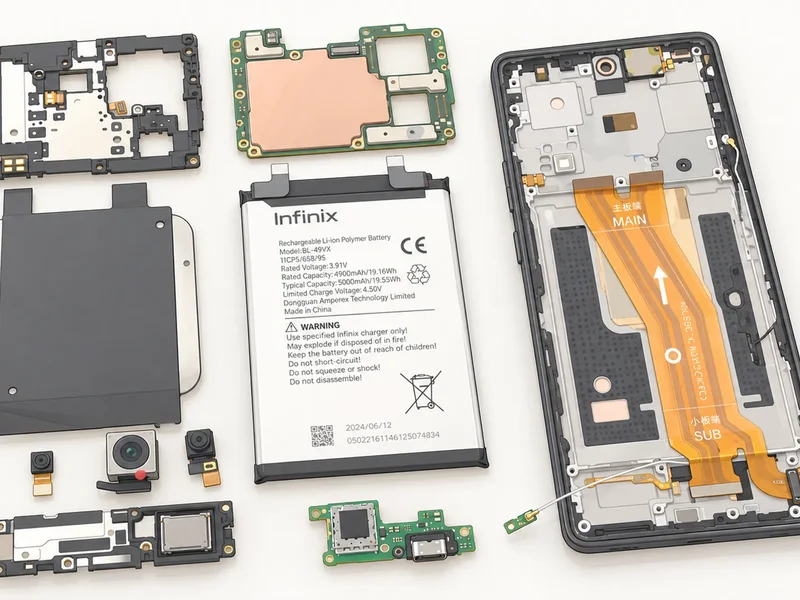
Tech review of Infinix Note 40 Pro

9
Views
0
Likes
—
Share
0
Questions
Device tools
VRM24 🤖 AI Review: Infinix Infinix Note 40 Pro
The Infinix Note 40 Pro arrives in 2024 as a textbook example of what the upper-midrange Android segment has become: a device that leans hard on display and charging-adjacent features while making careful, deliberate cuts elsewhere. Positioned above Infinix's budget Smart line and alongside its camera-focused Zero family, the Note 40 Pro targets buyers who want a large, bright screen, generous storage, 5G connectivity, and a premium-sounding audio pitch without paying flagship money. On paper, it's a confident package — a 6.78-inch AMOLED panel, 256 GB of storage, a 108 MP main camera, and JBL-tuned stereo speakers. The real question is where the compromises land, and whether they matter for the way most people actually use a phone.
Design & Display
At 164.3 x 74.5 x 8.1 mm and 196 g, the Note 40 Pro is a big phone in the modern sense — tall, wide enough to make one-handed use a stretch, but slim enough at 8.1 mm to avoid feeling like a brick. The 196 g weight is noticeable but not unusual for a 6.78-inch device with a 5,000 mAh battery, and it signals a build that prioritizes battery capacity over extreme lightness. Notably, the specifications list no display protection, so buyers should treat a screen protector and case as essentials rather than optional accessories.
The display is the headline. A 6.78-inch AMOLED at 1080 x 2436 pixels works out to roughly 393 ppi — sharp enough that text and UI elements look clean at normal viewing distances, even if it isn't a pixel-density leader. AMOLED is the meaningful part: deep blacks, strong contrast, and the kind of color saturation that makes video and social media look vivid. Compared with the Honor X9a, a 2023 competitor with a 6.67-inch AMOLED and similar resolution class, the Infinix offers a slightly larger canvas at a comparable sharpness level. Against Infinix's own older Zero X Pro (6.67-inch AMOLED), the Note 40 Pro continues the brand's shift toward bigger panels. The tradeoff of a large AMOLED is power draw when displaying bright content, which is where the battery section becomes relevant.
Performance & Storage
The Mediatek Dimensity 7020 is a solid mid-tier 5G chip, built around two Cortex-A78 performance cores at 2.2 GHz and six Cortex-A55 efficiency cores at 2.0 GHz, paired with an IMG BXM-8-256 GPU. This is entry-to-midrange territory, not flagship: it's designed for smooth everyday operation — messaging, browsing, streaming, maps, and multitasking across a handful of apps — rather than sustained high-end gaming. The 8 GB of RAM is generous for this class and should help with app retention, while 256 GB of internal storage is genuinely useful in an era when many rivals still start at 128 GB. The absence of a card slot means that 256 GB is your ceiling, so buyers who hoard photos or offline media should factor that in.
Context matters here. The Dimensity 7020's Cortex-A78 cores place it well ahead of older midrange designs like the Helio G95 in the 2021 Zero X Pro in terms of architecture and efficiency, and it adds 5G that the G95 lacked. Against the Snapdragon 695 in the Honor X9a, the two sit in a broadly similar performance class, with the Infinix's newer core design and extra RAM giving it an edge in multitasking headroom. Expect demanding 3D titles to run at reduced settings rather than maxed out; this is a phone for casual and mid-tier gaming, not a gaming-first device.
Cameras
The camera setup is a 108 MP main sensor backed by two 2 MP auxiliary lenses — almost certainly depth and macro helpers rather than genuinely useful secondary cameras. In practice, that means the main camera does the real work, and the 108 MP figure should be read as a high-resolution sensor that typically outputs pixel-binned images for better light capture, with full-resolution mode reserved for good lighting. Video tops out at 1440p at 30 fps, which is a reasonable ceiling for this class but short of the 4K that some rivals offer. The 32 MP front camera is a strong specification for selfies and video calls, recording at 1080p/30fps.
Compared with the Honor X9a's 64 MP main camera, the Infinix's higher-resolution sensor suggests more detail in bright conditions, though sensor size, processing, and lens quality matter more than megapixel counts — and those aren't specified here. The two 2 MP lenses are the clearest sign of cost-cutting: they add spec-sheet numbers without expanding creative range much. Buyers should expect a dependable main camera and a selfie camera that punches above its price class, not a versatile multi-camera system.
Battery & Charging
The 5,000 mAh battery is the current standard for large Android phones and should comfortably deliver a full day of mixed use for most people, with heavier users likely needing a top-up in the evening. The 6.78-inch AMOLED is the biggest variable: dark-mode use and lower brightness will stretch runtime, while extended outdoor use at high brightness will drain it faster. Charging speed isn't stated in the supplied specifications, so no claims can be made about how quickly the cell refills — buyers should check that detail before purchase, since it varies by region and model variant.
The USB Type-C 2.0 port is worth noting: it's fine for charging and data transfer at standard speeds, but it indicates the phone isn't built around fast wired data workflows or display output. Compared with the Honor X9a's slightly larger 5,100 mAh cell, the difference is negligible in practice. The real-world takeaway is simple: this is a battery-capacity-first phone, not a charging-speed showcase, at least based on what's documented.
Connectivity & Practical Ownership
Connectivity is a genuine strength. Dual nano-SIM with 5G across an unusually broad band list — including bands 1, 3, 5, 7, 8, 12, 20, 28, 38, 40, 41, 66, 77, and 78 — makes the Note 40 Pro more travel-friendly than many midrange phones, which often trim band support. Wi-Fi 802.11ac dual-band and Bluetooth cover the essentials, and GPS with A-GPS and GLONASS handles navigation, though the absence of newer satellite systems is a minor limitation for demanding users. The JBL-tuned stereo speakers with 24-bit/192 kHz Hi-Res audio support are a differentiator in this price class and should make media consumption and speakerphone calls noticeably better than mono rivals.
The practical compromises are worth spelling out. There's no 3.5 mm headphone jack, so wired audio requires an adapter or USB-C headphones — a real annoyance for buyers with legacy gear, even if Bluetooth is the norm. There's no memory card slot, so storage is fixed at 256 GB. On repairability, the phone's construction and battery model (BL-49VX) suggest a standard sealed-body design, meaning battery replacement and screen repairs will require a professional service center; the lack of listed display protection also raises the odds of needing that screen repair. Android 14 with XOS 14 provides a current software base, though the length of update support isn't specified and should be confirmed if longevity is a priority.
Verdict
👍 Pros:
- Large 6.78-inch AMOLED display with strong contrast and adequate 393 ppi sharpness
- Generous 256 GB storage and 8 GB RAM for the midrange class
- Broad 5G band support and JBL-tuned stereo speakers with Hi-Res audio
- 32 MP selfie camera and a high-resolution 108 MP main sensor
👎 Cons:
- Two 2 MP auxiliary cameras add little beyond spec-sheet numbers
- No headphone jack and no memory card slot limit flexibility
- Dimensity 7020 is a mid-tier chip, not suited to demanding gaming; charging speed and update policy unconfirmed
The Infinix Note 40 Pro is a sensible midrange phone that gets the fundamentals right — a big AMOLED screen, ample storage, wide 5G support, and better-than-average speakers — while accepting predictable cuts in camera versatility and wired connectivity. For media lovers and everyday users, it's a well-judged package; for gamers or photography enthusiasts, its limits will show.
Disclaimer ⚠️ This review is based on technical specifications and market positioning as of the device's announcement. Real-world performance and user experience may vary.
This text is for informational purposes only. For tech advice or diagnosis, consult a professional. AI responses may include mistakes.
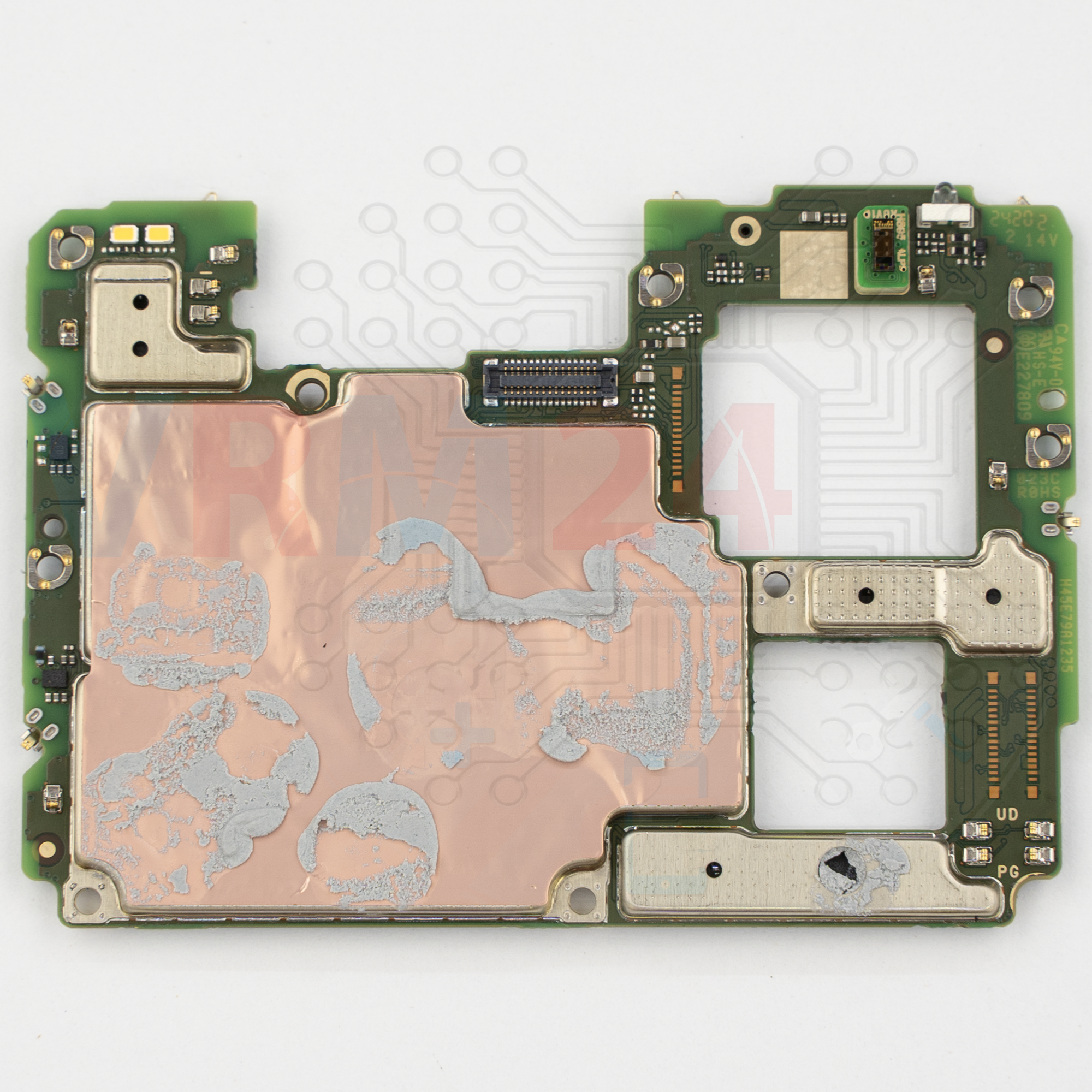
Main and additional circuit boards
Infinix Note 40 Pro
Side 1
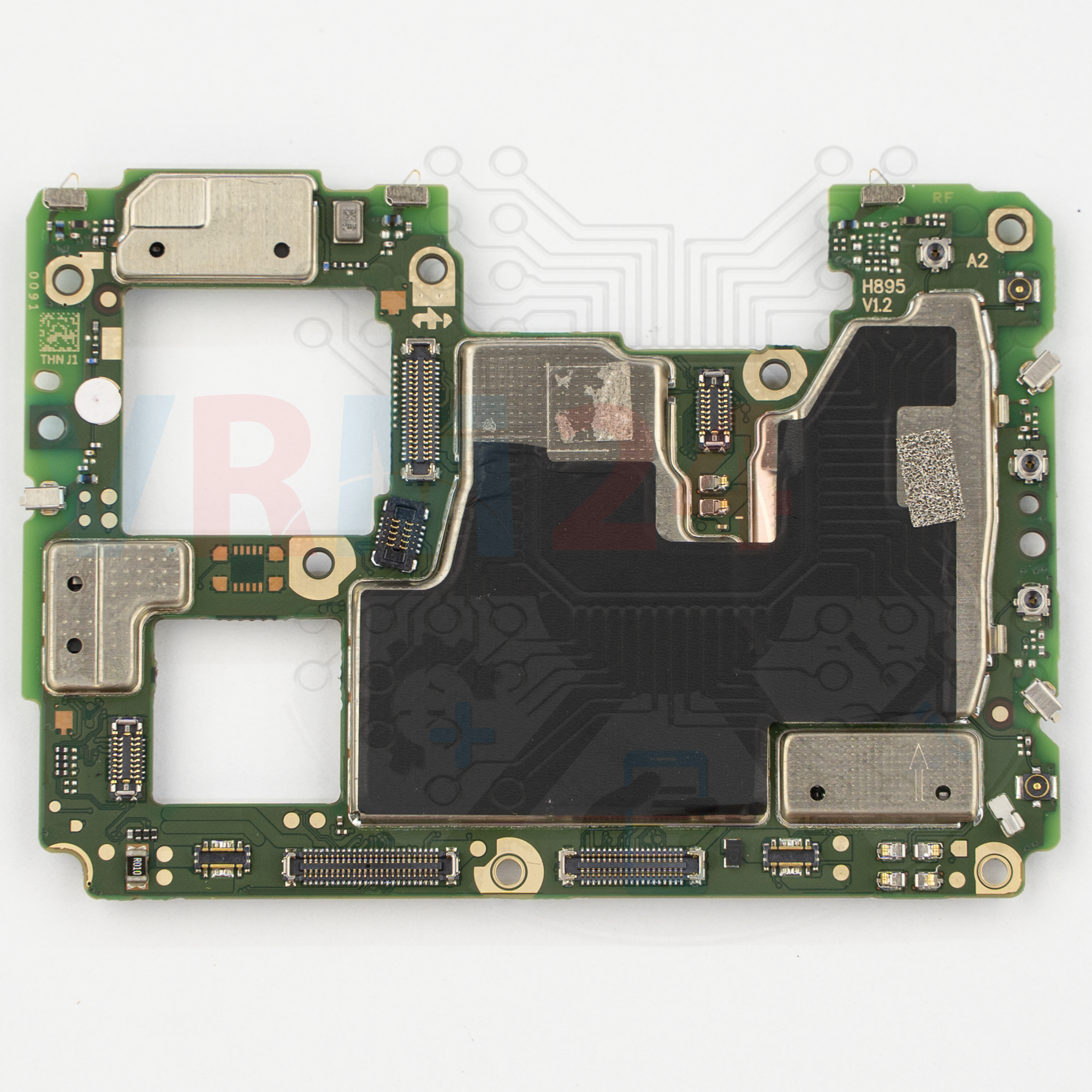
Side 2
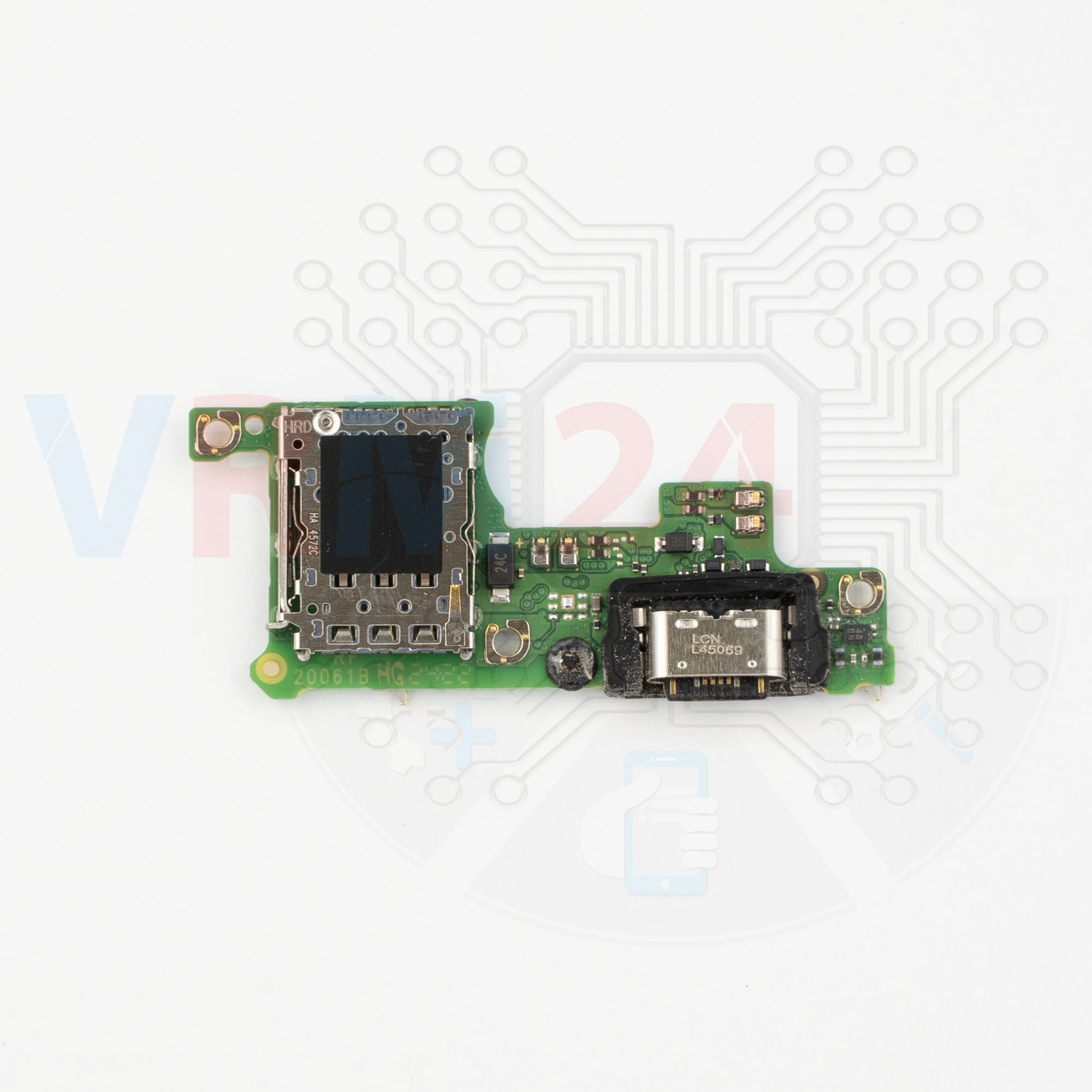
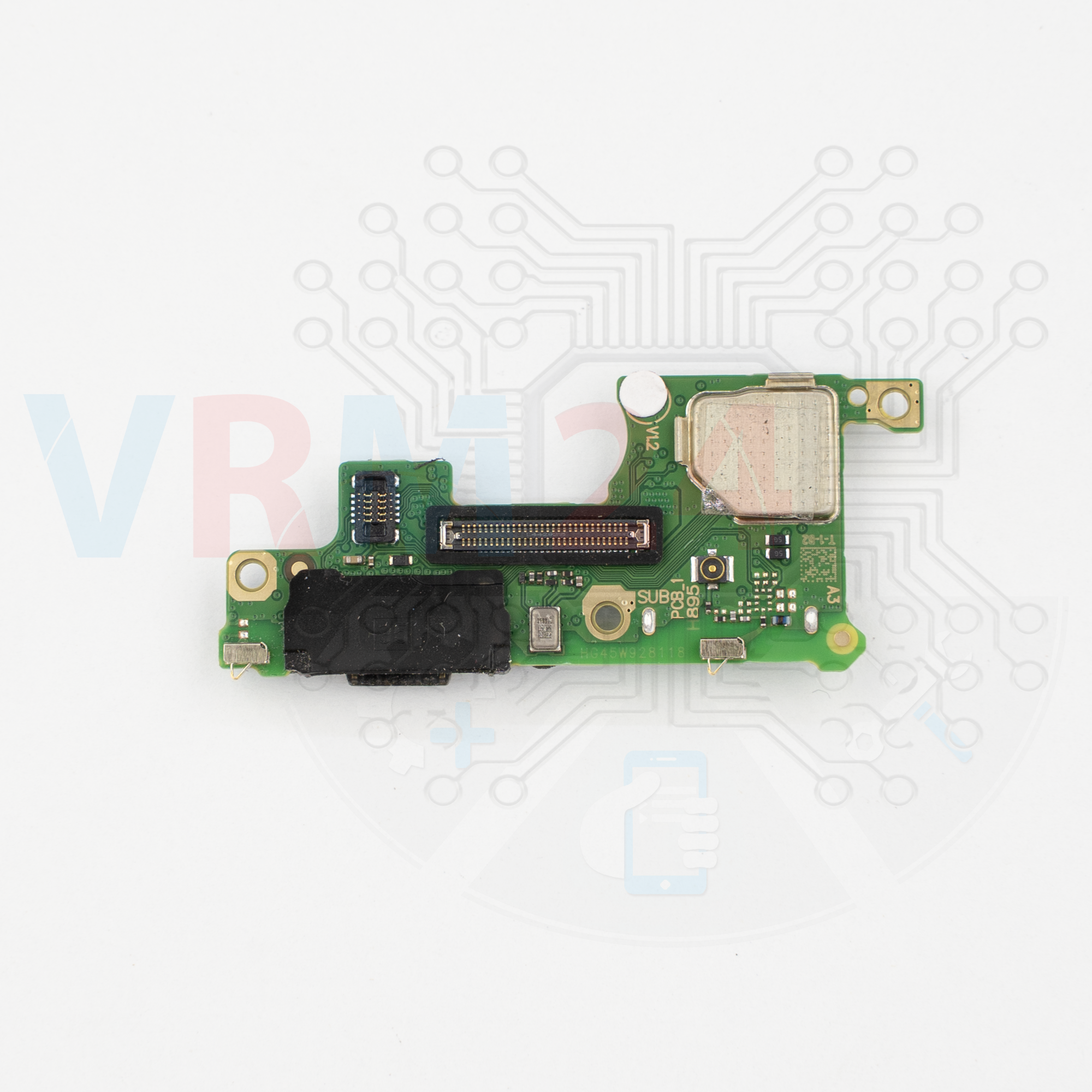
Spare parts
and components
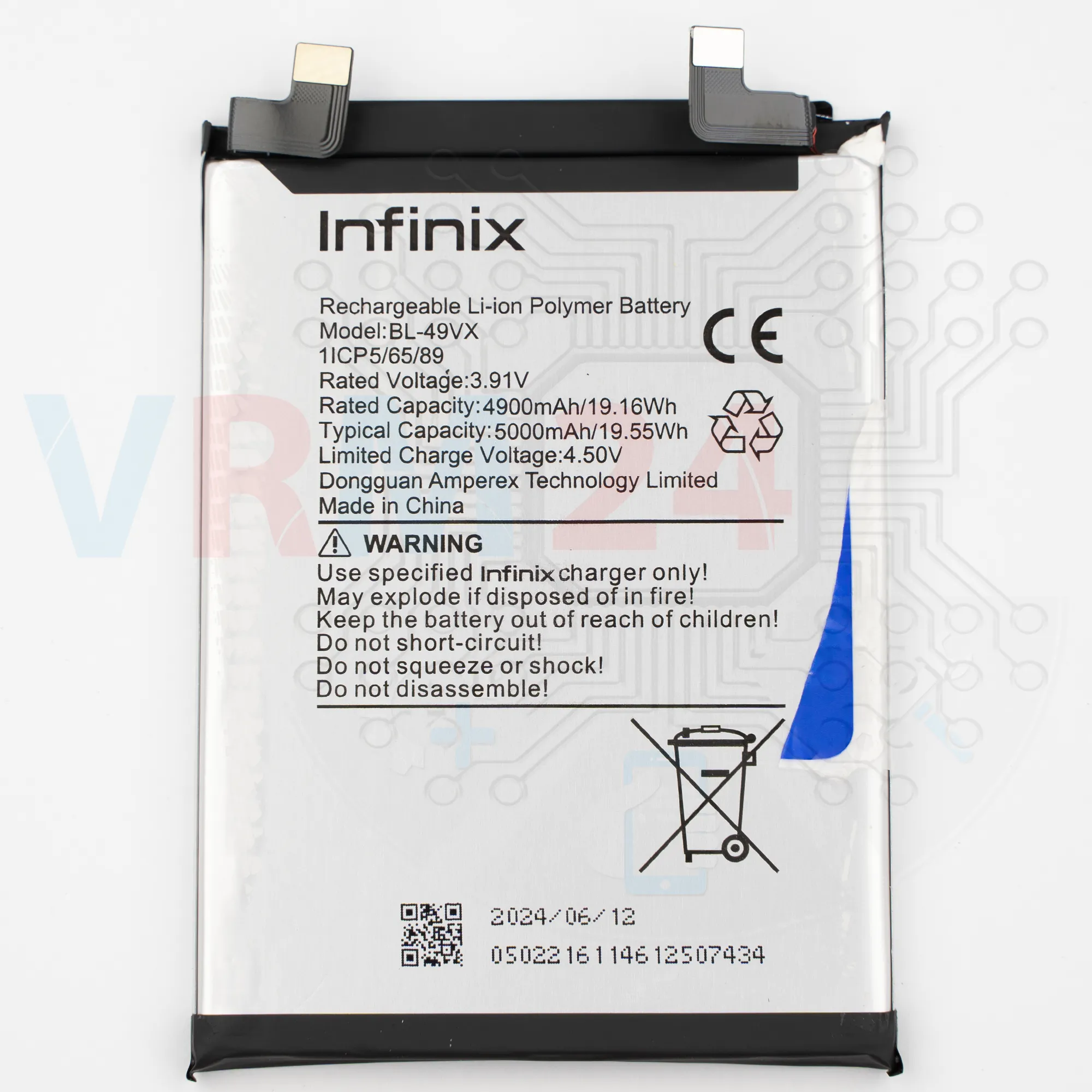
Battery
Loading...
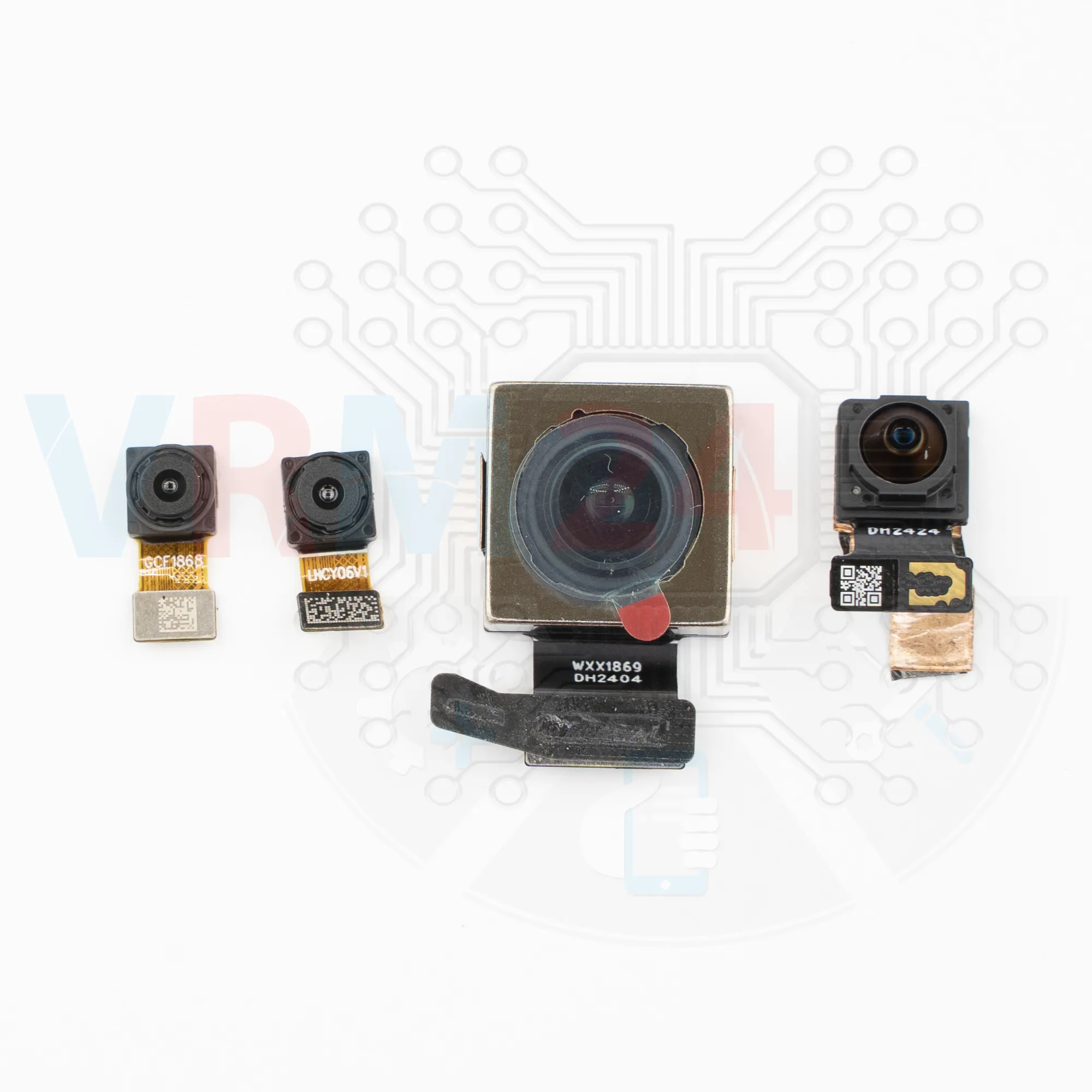
Cameras
Loading...
Card tray
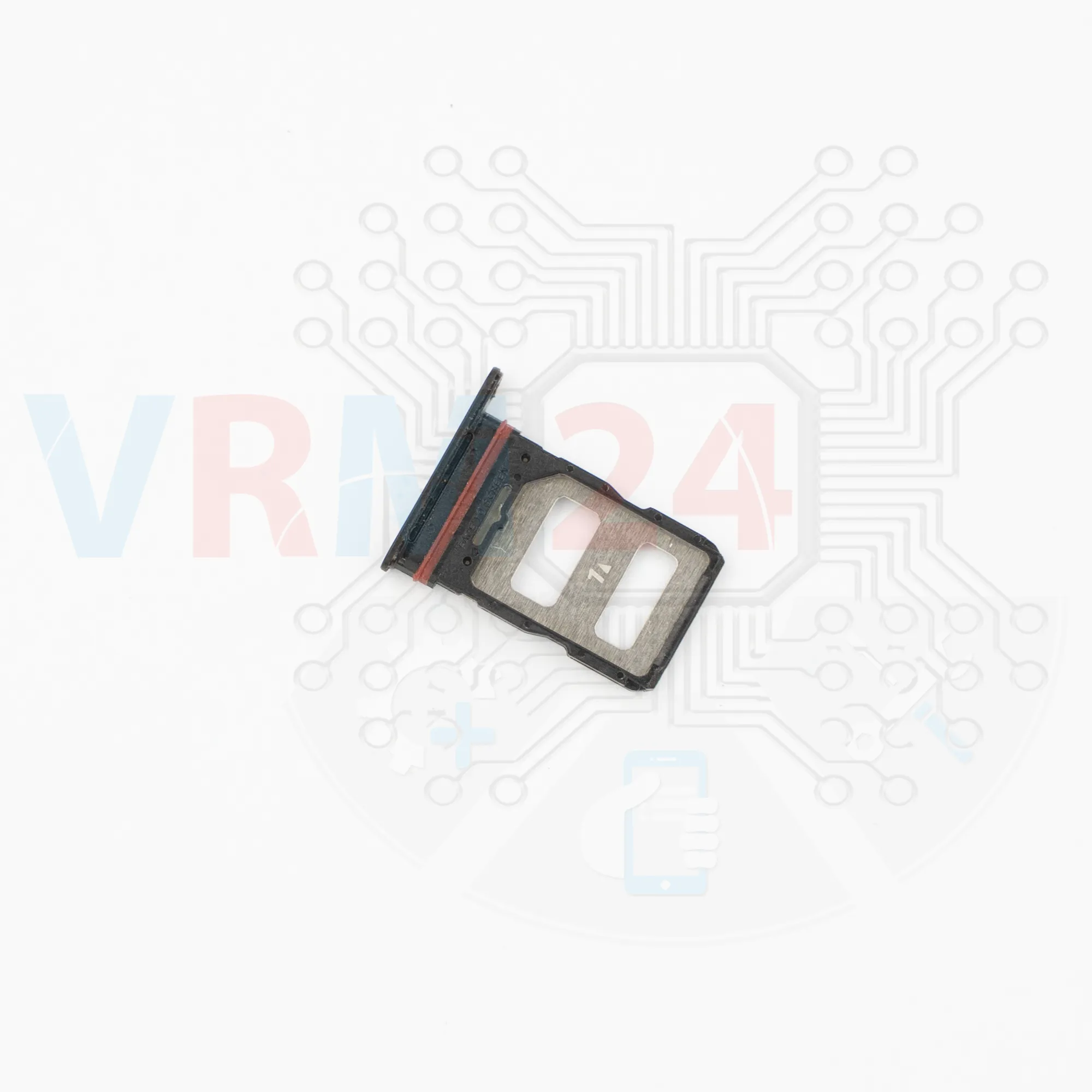
Loading...
Charging port
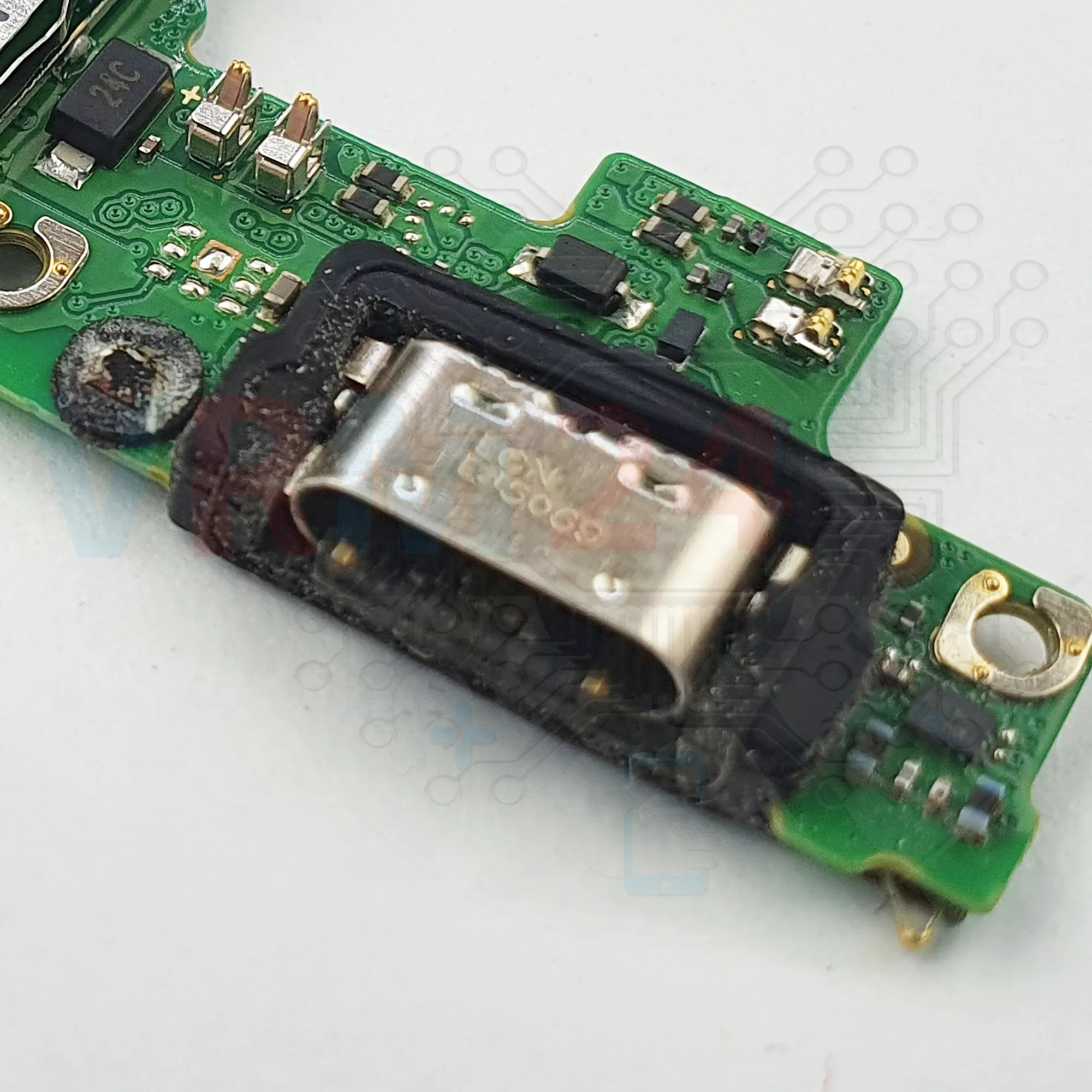
Loading...
Cover
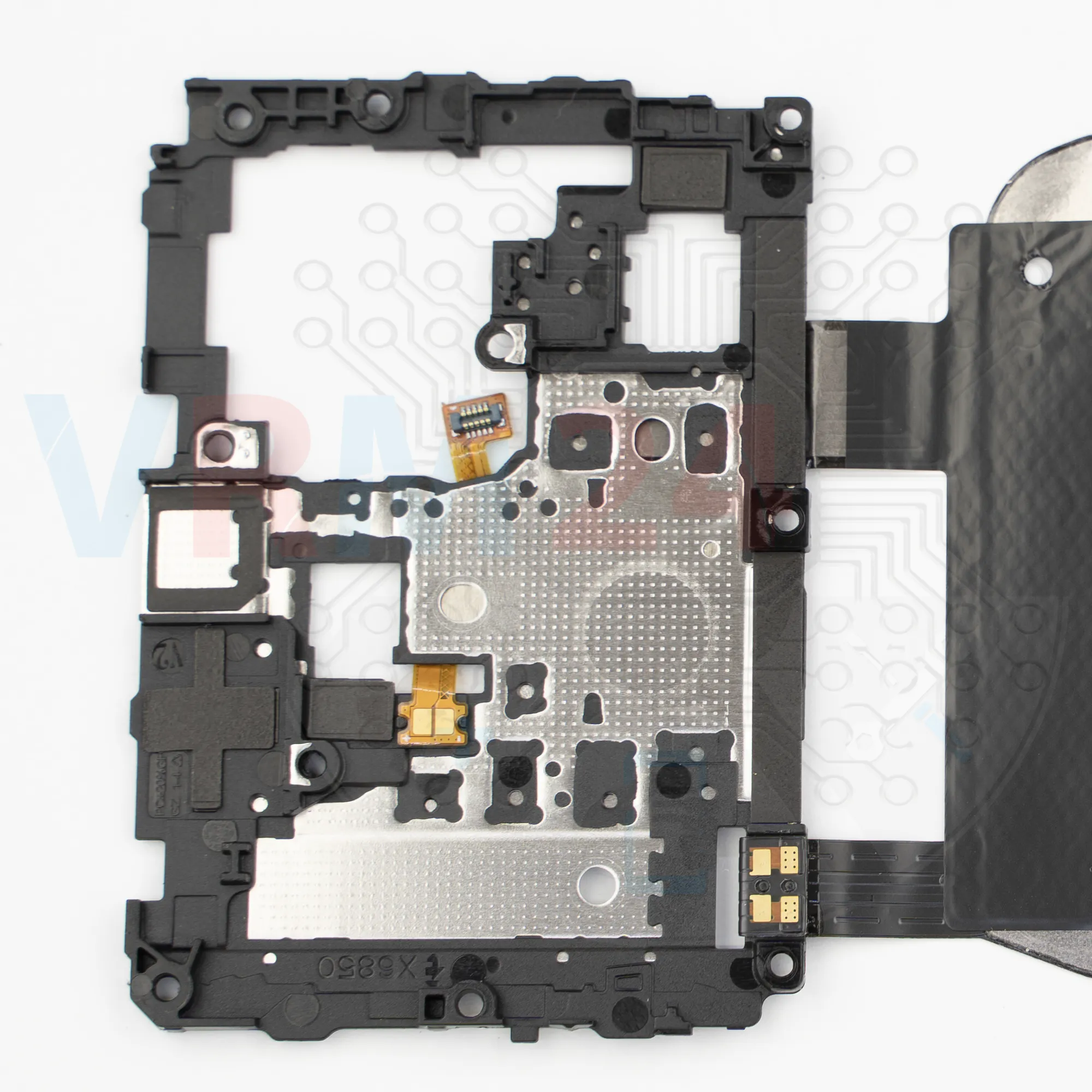
Loading...
Earpiece speaker
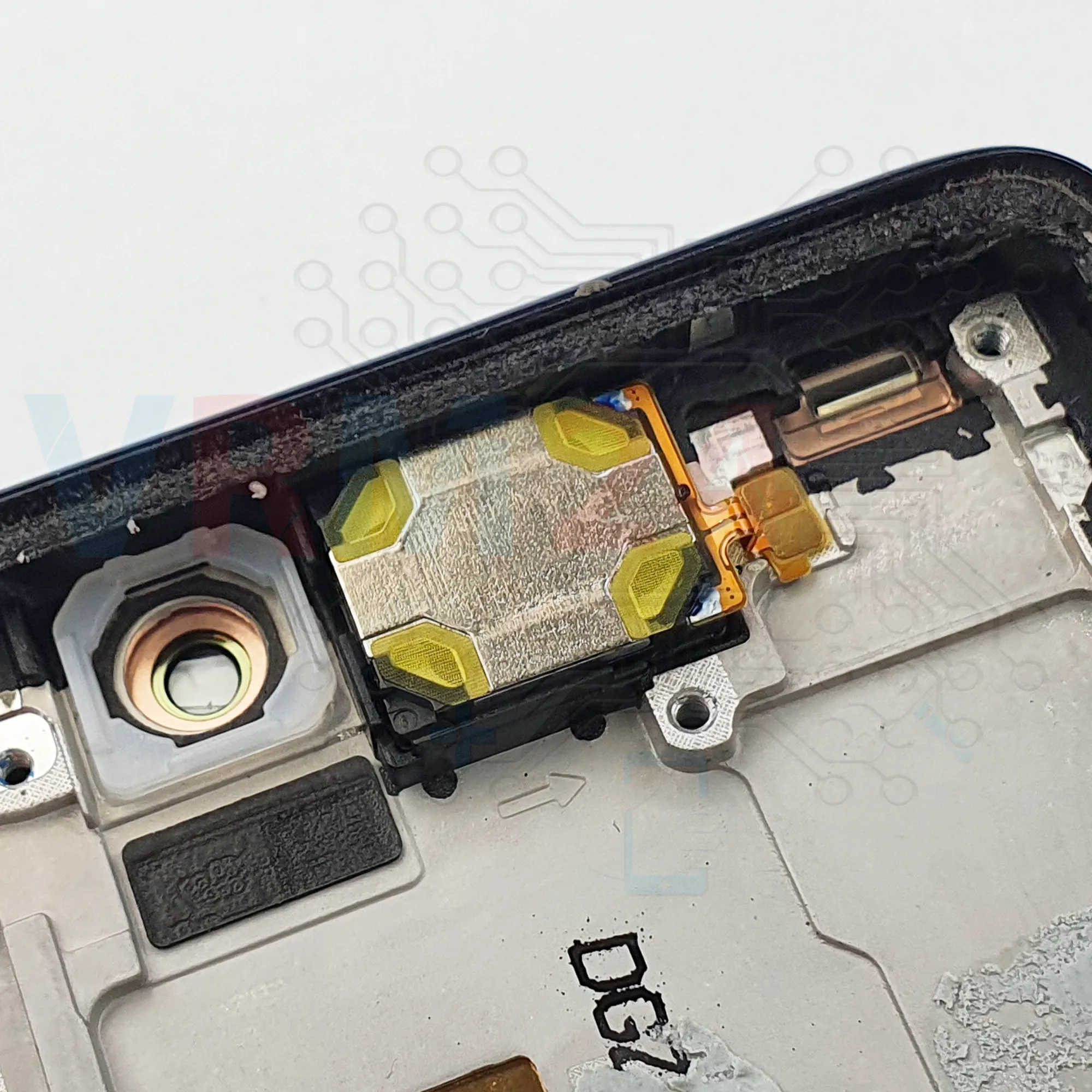
Loading...
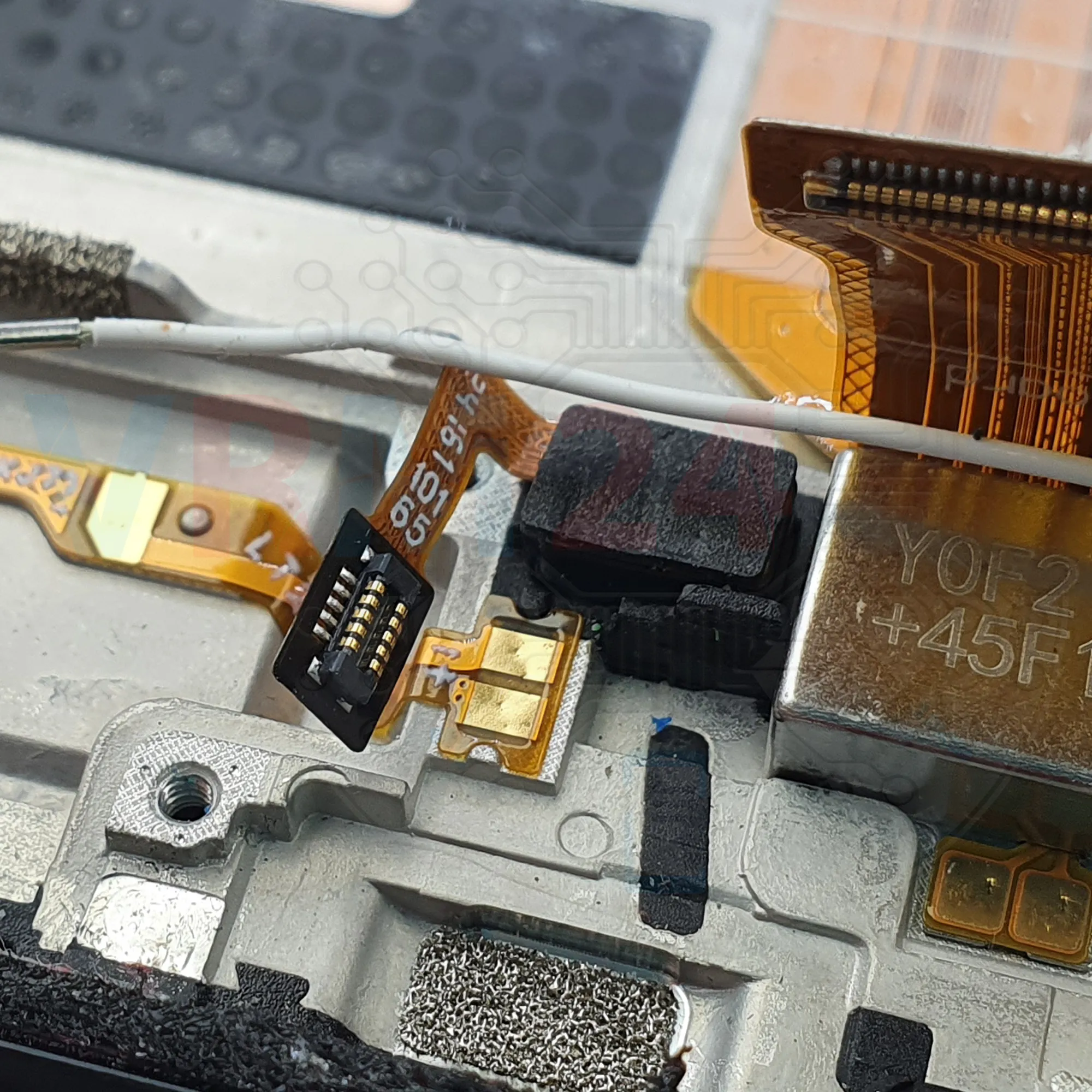
Fingerprint sensor
Loading...
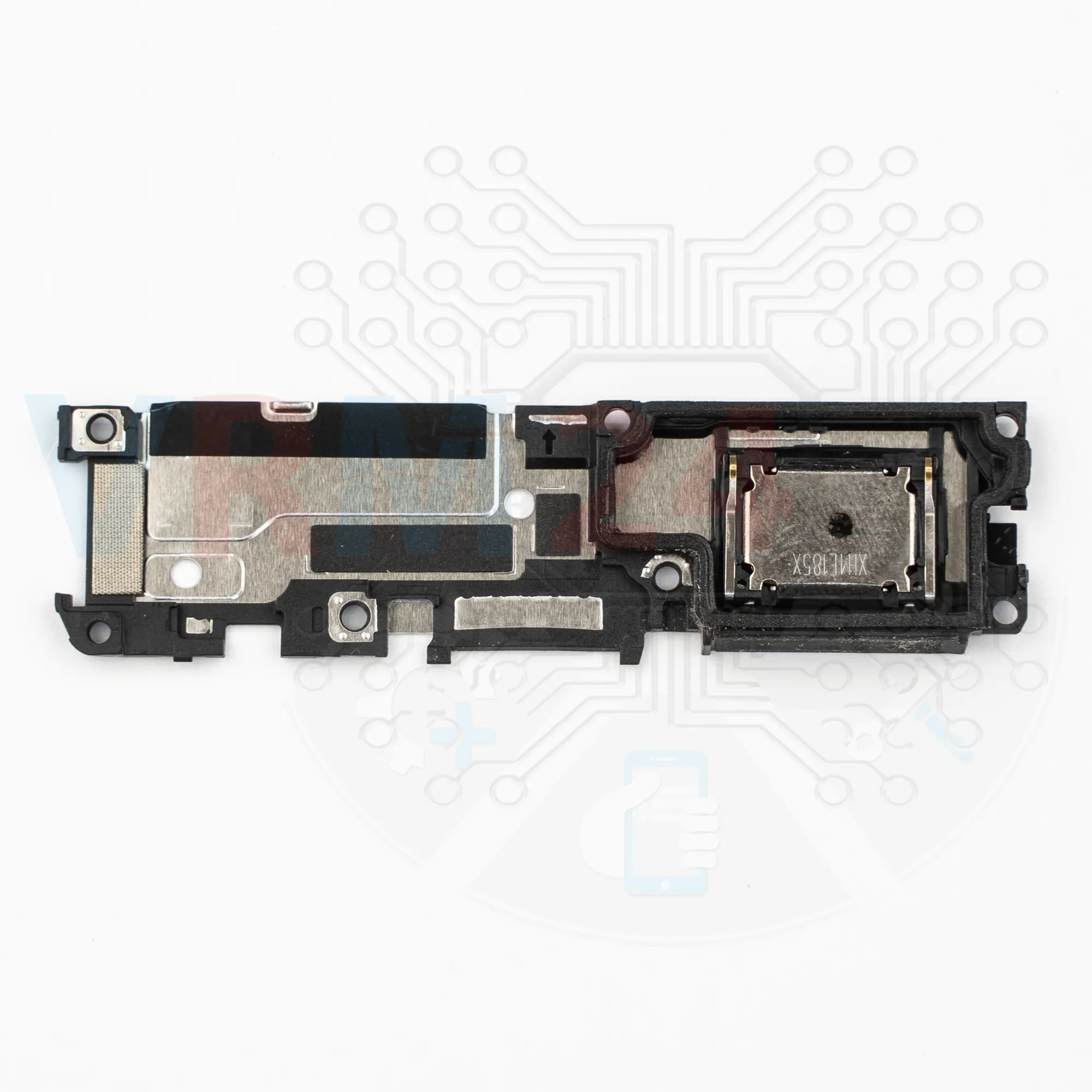
Loudspeaker
Loading...
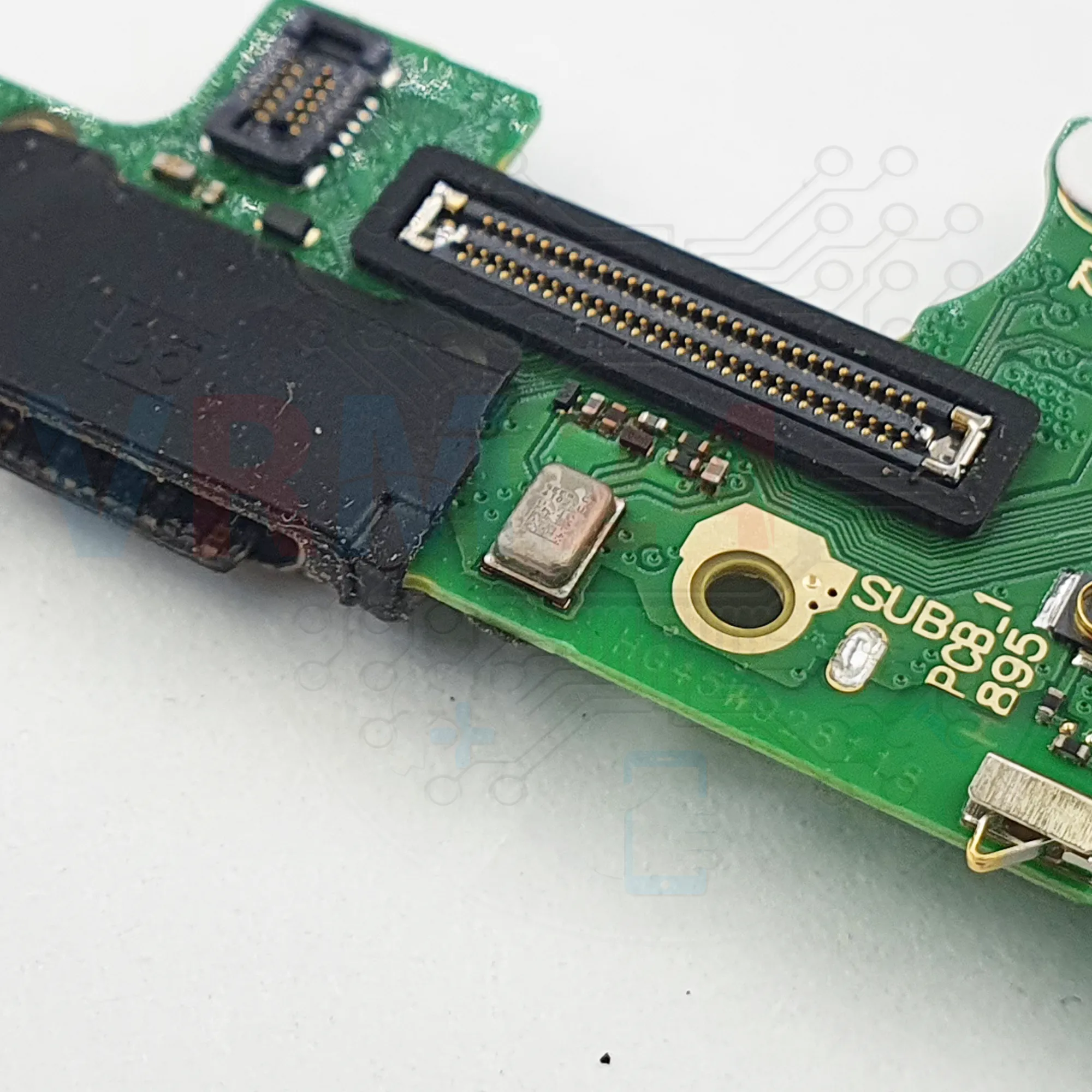
Microphone
Loading...
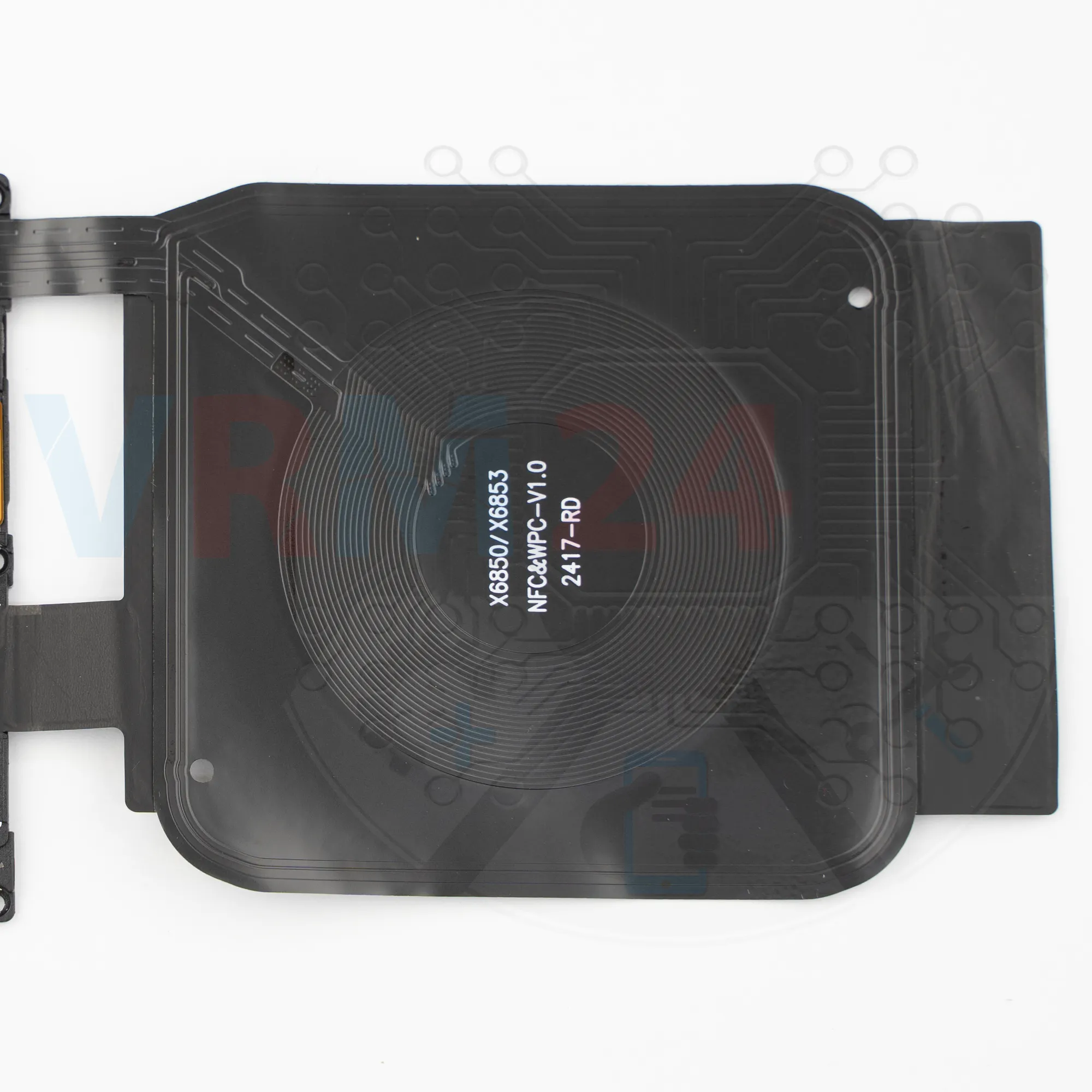
NFC tag
Loading...
Screws
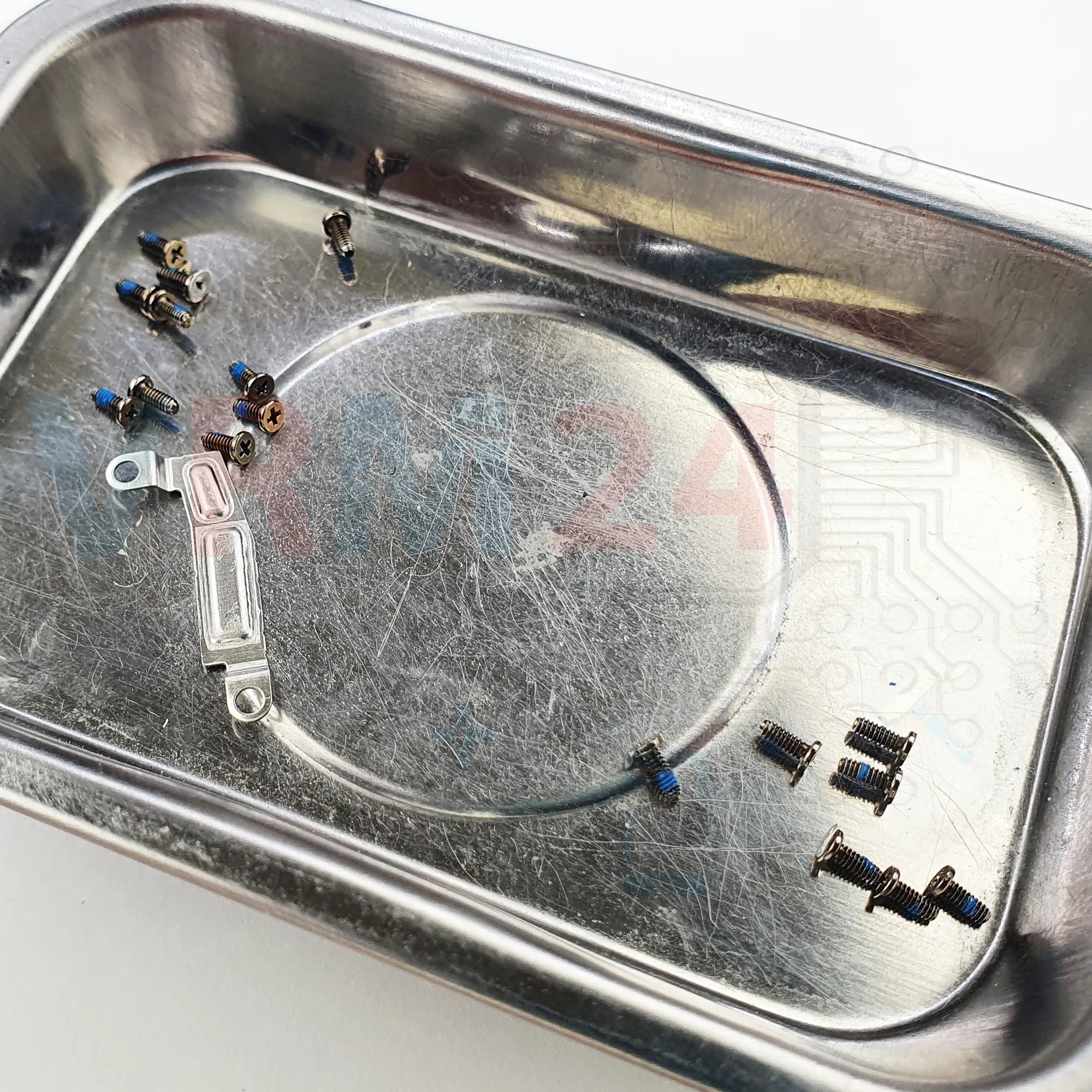
Loading...
Sim connector
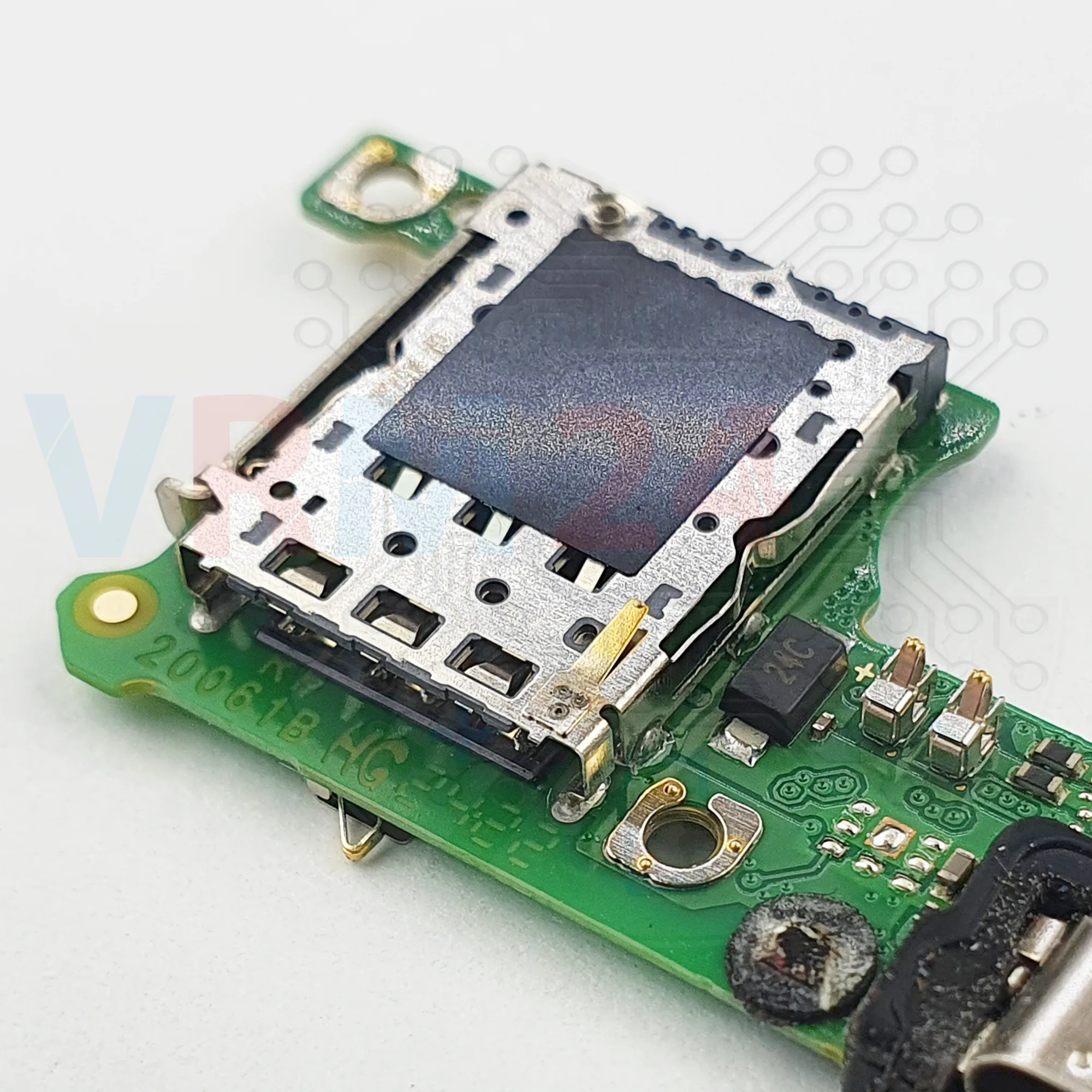
Loading...
Small board
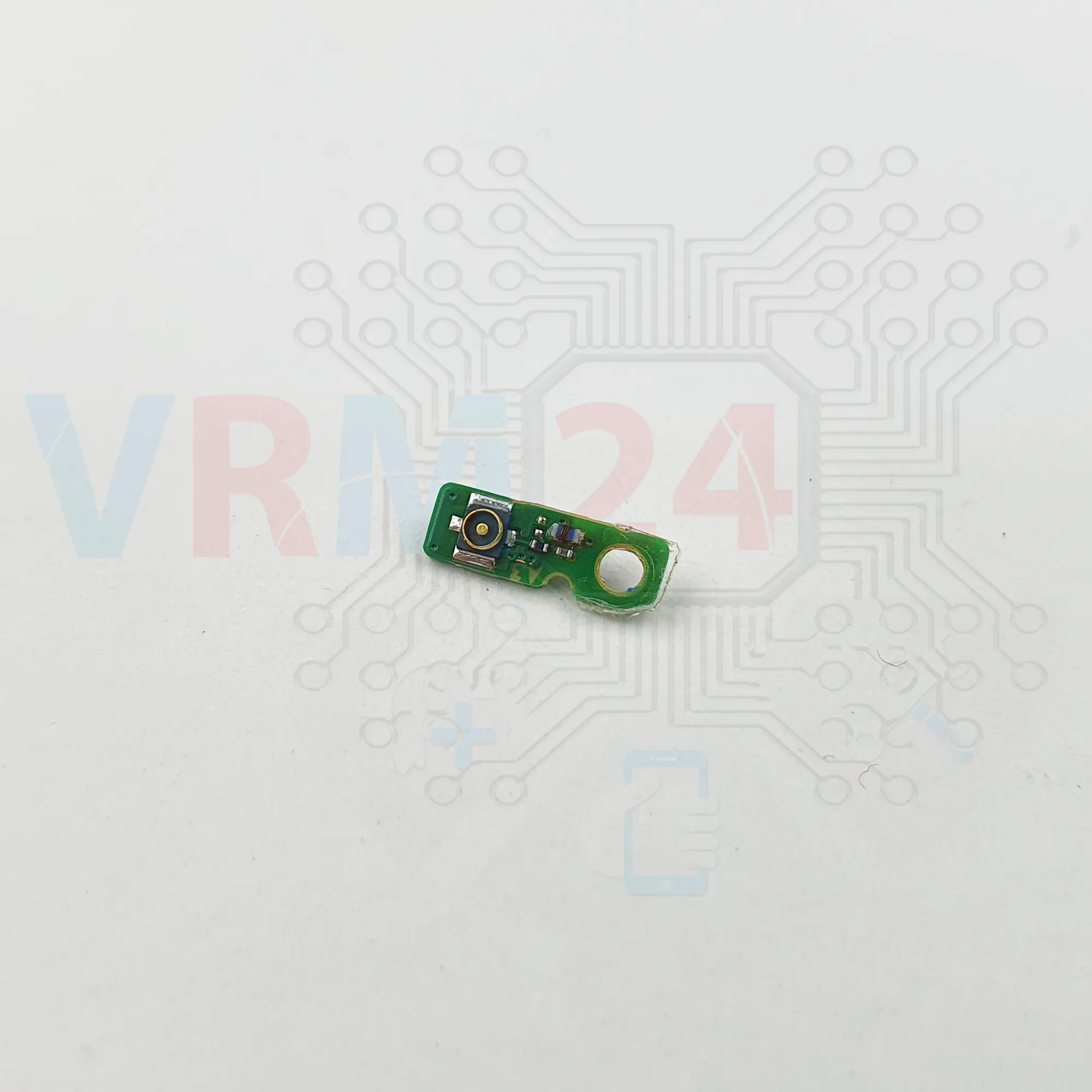
Loading...
Vibration motor
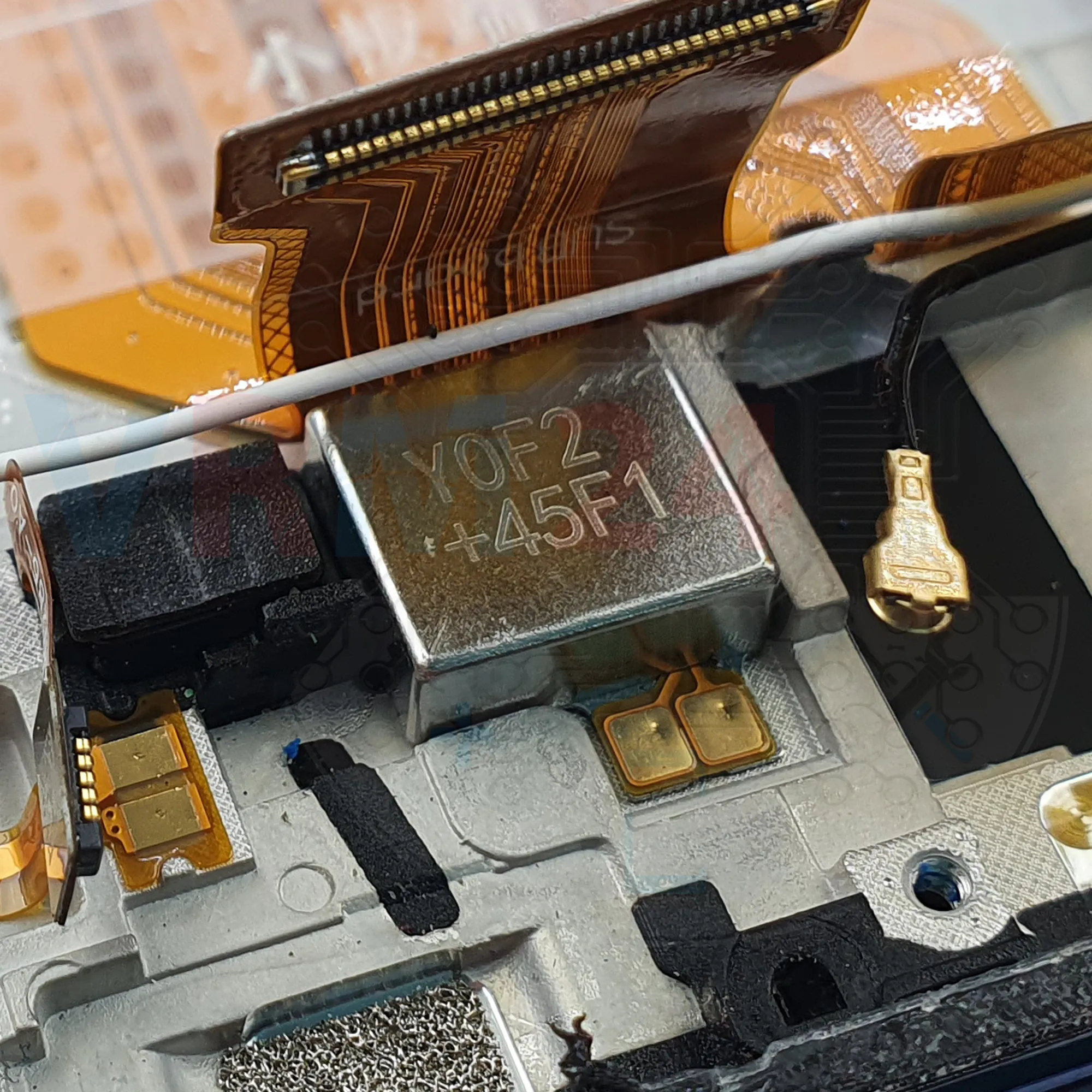
Loading...
Characteristics
and Features
Features
Type
Smartphone
OS
Android 14, XOS 14
SIM type/size
Nano SIM
SIM
Dual SIM
Dimensions
164.3 x 74.5 x 8.1 mm (6.47 x 2.93 x 0.32 in)
Weight
196 g (6.70 oz)
Display
Display type
AMOLED
Size
6.78 inches
Resolution
1080 x 2436 pixels
PPI density
393
Protection
- - -
Multimedia
Main camera
108 MP / 2 MP / 2 MP
Main camera Video
1440p, 30fps
Front (selfie) camera
32 MP
Front (selfie) camera Video
1080p, 30fps
Audio
Yes, with stereo speakers, Tuned by JBL 24-bit/192kHz, Hi-Res audio
Headphone jack
No
Network
Technology
GSM / HSPA / LTE / 5G
Bands
Yes, 5G bands 1, 3, 5, 7, 8, 12, 20, 28, 38, 40, 41, 66, 77, 78 SA/NSA
Interfaces
Wi-Fi 802.11 a/b/g/n/ac, dual-band, Bluetooth
Satellite navigation
GPS with A-GPS, GLONASS
Processor and Memory
System on a chip
Mediatek Dimensity 7020
CPU
Octa Core 2x Cortex-A78 2.2 GHz & 6x Cortex-A55 2.0 GHz
GPU
IMG BXM-8-256
Internal memory
256 GB
RAM
8 GB
Card slot
No
Battery
Battery capacity
Li-Ion 5000 mAh
Charging port
USB Type-C 2.0
Battery model
BL-49VX
Models with the same battery
- No other models with this battery are recorded yet.
Other
Announced
2024, March
If you have a question, ask us, and we will try to answer in as much detail as possible. If this article was helpful for you, please rate it.

9
Views
0
Likes
—
Share
0
Questions

Related Instructions
Related Reviews
Related Blog
Popular Questions
N
Huawei Honor 7S
Thanks for you, im done for my services, just look jalur buzzer. Thanks you
NETCOM CELLULER3
D
Acer Liquid Z630
Please get me link where i can buy original charger port for Acer liquid z630.
Dávid Maťa13
K
Lenovo P70
Isn't there Turkish subtitles?
Karışık Tv13
Huawei MediaPad T3 (7'') BG2-u01
Charging not save
waqas
Y
Sony Xperia Z3 Plus
Is this an oem display?
yugpratap singh3Top reviews
Check our
Top Infinix reviews most liked by readers
New reviews
Check our
New Infinix device reviews on vrm24.com